
An MRI of the hip joint is a non-invasive diagnostic procedure that helps visualize the hip joint and its supporting structures. The diagnostic procedure creates precise images of the hip using a strong magnetic field, radio waves, and a computer. This safe procedure can diagnose various hip conditions, such as arthritis, hip joint problems, and cartilage damage. It is a useful tool for assessing hip joint health and identifying early issues. This test serves as a highly accurate diagnostic tool in evaluating hip conditions. The price of this examination ranges from Rs 2999 to Rs 7500.
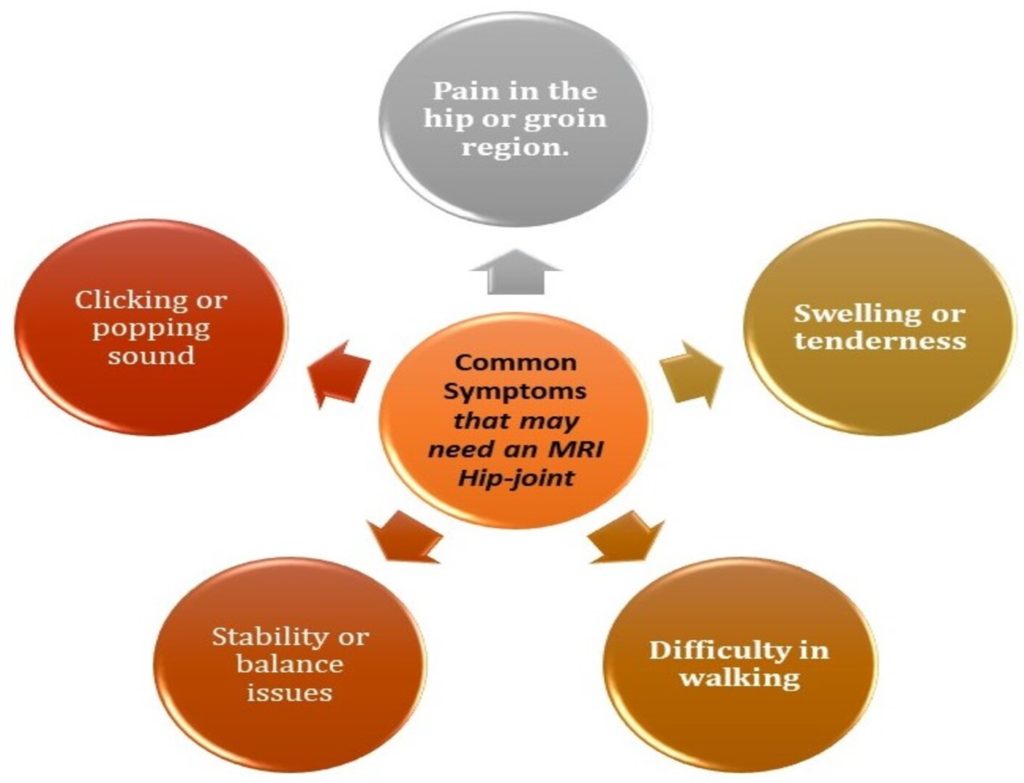
A patient having an MRI hip scan is usually a picture of the patient having continuous pain, and stiffness or if the movement is restricted and cannot be fully explained by a physical examination or an X-ray. It allows for excellent pictures of the bones, ligaments, cartilage, as well as the surrounding soft tissues, thus facilitating the determination of premature pinpointing of arthritis, labral tears, and structural abnormalities in bodies. Unlike traditional imaging methods, MRI is a radiation-free procedure and is safe for most patients, thus being the first choice for monitoring long-term health. The test is also a very important stage in the process of pre-surgical planning as well as in the monitoring of the recovery process after the treatment. Through its capability of detecting even small changes, the MRI hip scan is very instrumental in timely diagnosing and proper management of hip-related conditions.
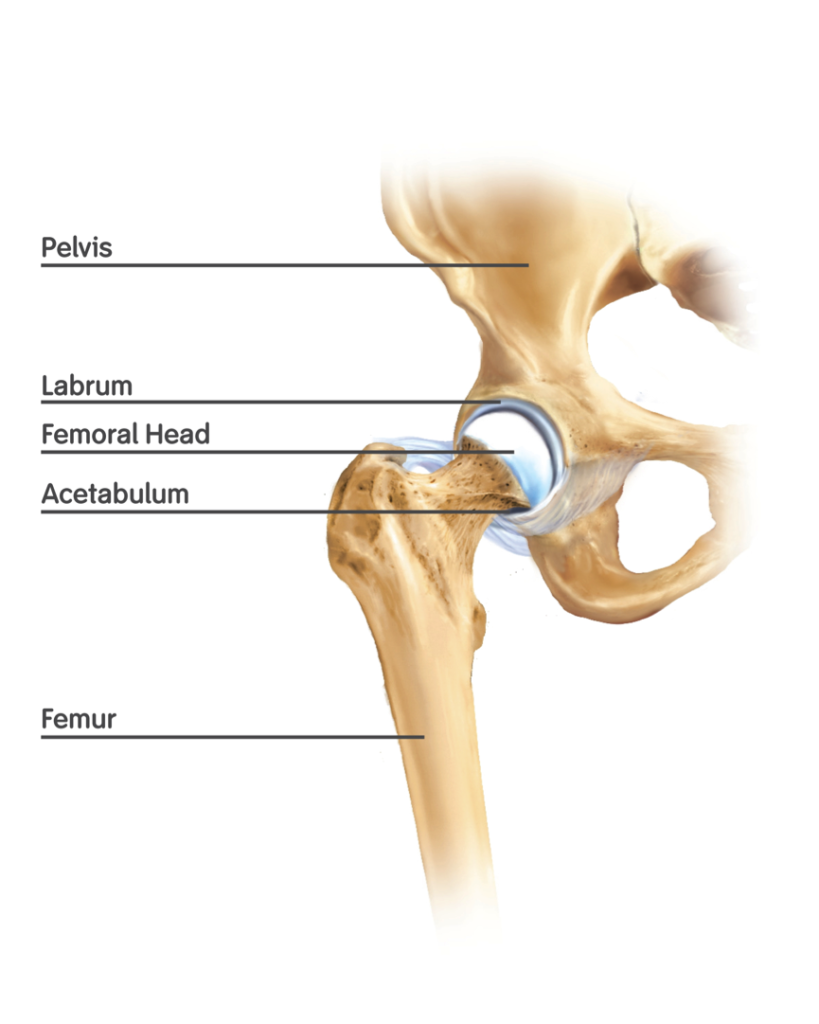
The hip joint is a ball-and-socket joint that connects the femur, or thigh bone, to the pelvis. The femur’s rounded head (ball) fits into the pelvic acetabulum (socket). A capsule filled with synovial fluid surrounds it. This fluid lubricates it and lessens friction as it moves. A number of powerful ligaments are present that connect the bones and support the joint by stabilizing it.
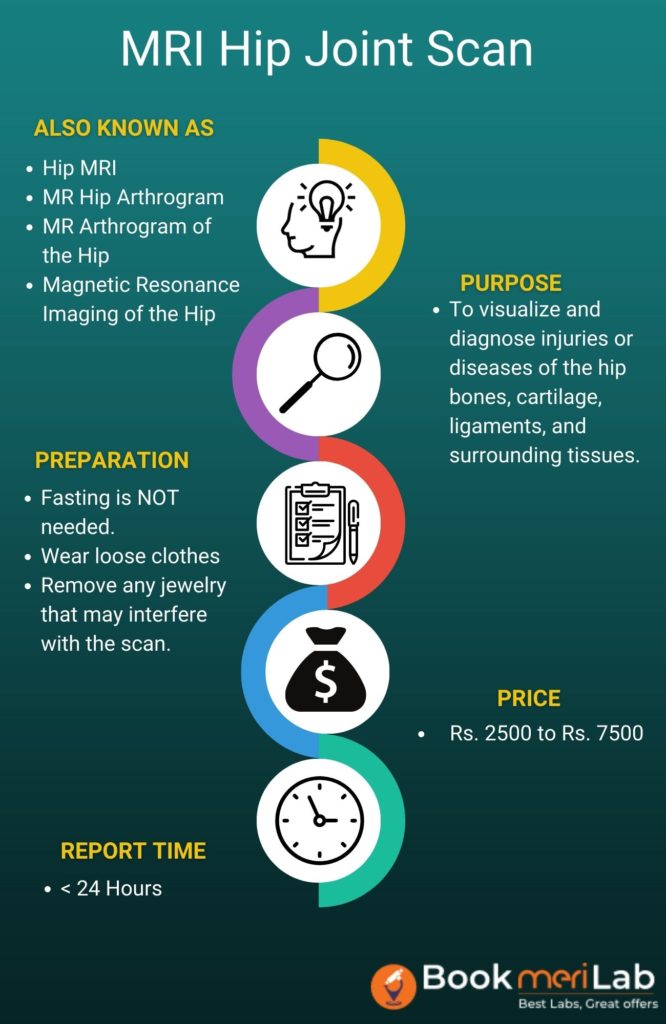
| Also Known As | Hip MRI, MR Hip Arthrogram, MR Arthrogram of the Hip |
| Purpose | To visualize and diagnose injuries or diseases of the hip bones, cartilage, ligaments, and surrounding tissues. |
| Preparation | No special preparation is required. |
| Fasting | No |
| Reporting Time | <24 Hours |
| Cost | Rs 2999 to Rs 7500 |
The price depends on the number and type of views your doctor has recommended. Usually, the price of this test varies from Rs. 2999 to Rs. 7500 depending on the city, view, type of scan, and diagnostic centre.
Below is a list of discounted prices for this test at different Diagnostics centres in India through bookmerilab.com-
| Name of Lab | Test Price |
|---|---|
| Aarthi Scan | Rs 3285 |
| Mahajan Imaging | Rs 7200 |
| City X-Ray | Rs 5600 |
| Shree Krishna Diagnostics | Rs 4900 |
| Vijaya Diagnostic Centre | Rs 7500 |
| PULSE IMAGING | Rs 4550 |
The test cost depends upon the one recommended by your healthcare professional. The cost varies depending on the lab and the city.
| City | Test Price |
|---|---|
| MRI Hip Joint Test Price in Delhi | Rs 2500 to Rs 7200 |
| MRI Hip Joint Test Price in Mumbai | Rs 3285 to Rs 7350 |
| MRI Hip Joint Test Price in Bangalore | Rs 3285 |
| MRI Hip Joint Test Price in Hyderabad | Rs 3285 to Rs 7500 |
| MRI Hip Joint Test Price in Gurgaon | Rs 3285 to Rs 7200 |
| MRI Hip Joint Test Price in Chennai | Rs 3150 to Rs 3285 |
| MRI Hip Joint Test Price in Kolkata | Rs 3150 to Rs 6650 |
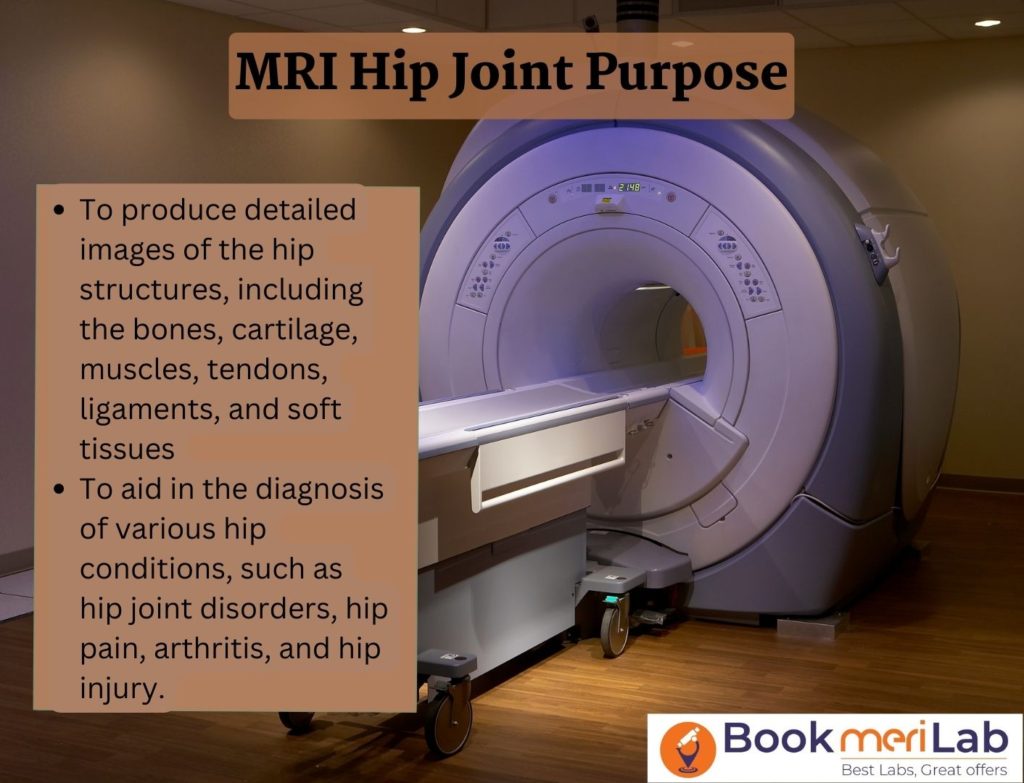
This test produces precise images of the bones, muscles, tendons, and other soft tissues within and around the hip.
It can aid in the diagnosis of ailments like-
Additionally, MRI can help track the progression of these disorders over time.
The ankle MRI is a single, very trustworthy tool in the diagnosis of all the ankle’s problems. It grants numerous important advantages that put it ahead of the majority of other imaging approaches:
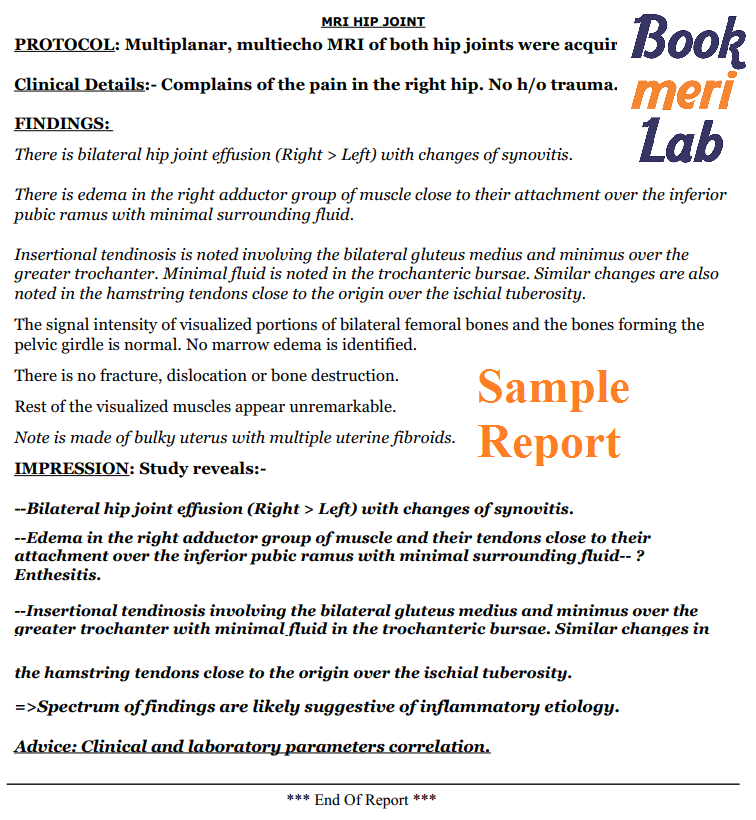
When interpreting MRI results, a radiologist will look for abnormalities or injuries that may be present. Some common abnormalities or injuries that may be visible on this test include:
One of the advantages of MRI is that it does not expose the patient to radiation, as X-Ray or CT scans do. It is also able to produce detailed images of the joint without the need for injections or other invasive procedures.
MRI is often used in conjunction with other diagnostic tests, such as x-rays or physical examination, to provide a complete picture of the hip joint and help doctors make an accurate diagnosis. In general, it provides detailed images of the soft tissues and bones in the hip, which can help doctors identify a variety of conditions, including hip arthritis, hip fractures, labral tears, and muscle or ligament injuries. Thus, it is a valuable tool for diagnosing conditions affecting the hip joint and can help guide treatment decisions.
An MRI of the hip joint is used to evaluate the structures of the hip joint, including the bones, cartilage, muscles, tendons, ligaments, and other soft tissues. It can be used to diagnose a variety of conditions that affect the hip, including hip arthritis, hip fractures, labral tears, and muscle or ligament injuries.
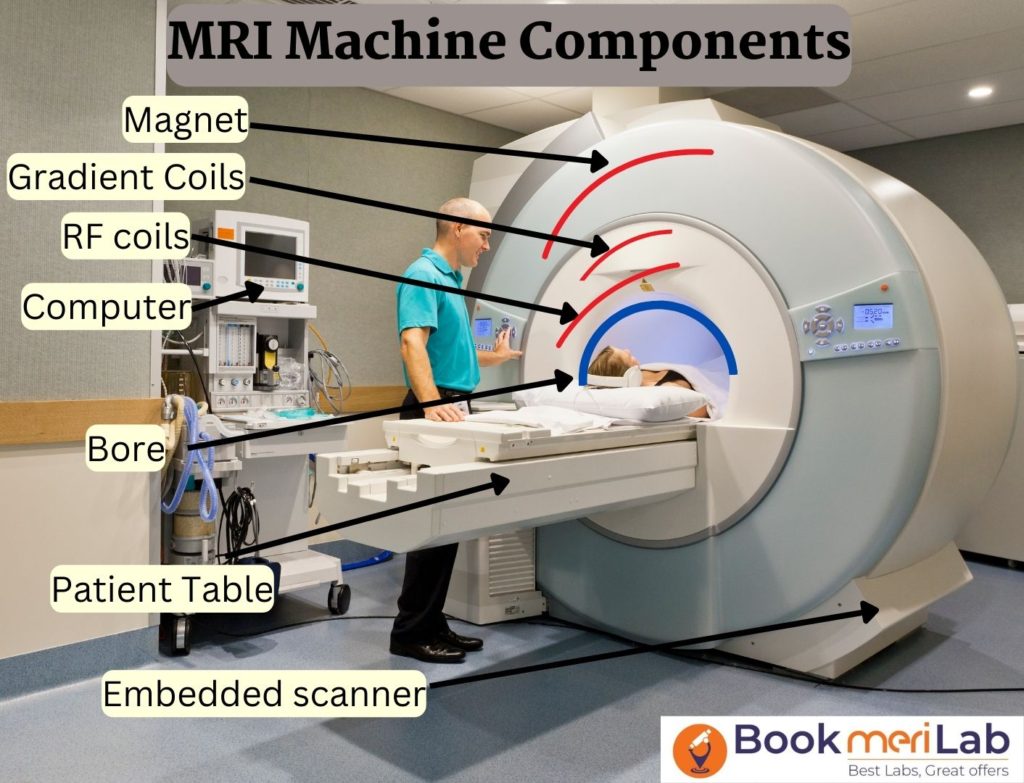
During an MRI of the hip joint, the patient lies on a table that is slowly moved into a large, cylindrical machine called a scanner. The scanner uses a powerful magnet and radio waves to produce detailed images of the hip joint. The procedure is painless and does not involve any injections or incisions.
MRI is generally considered to be a safe and noninvasive procedure. However, some people may experience anxiety or claustrophobia while inside the scanner.
The length of an MRI of the hip joint varies, but it typically takes 30-60 minutes to complete.
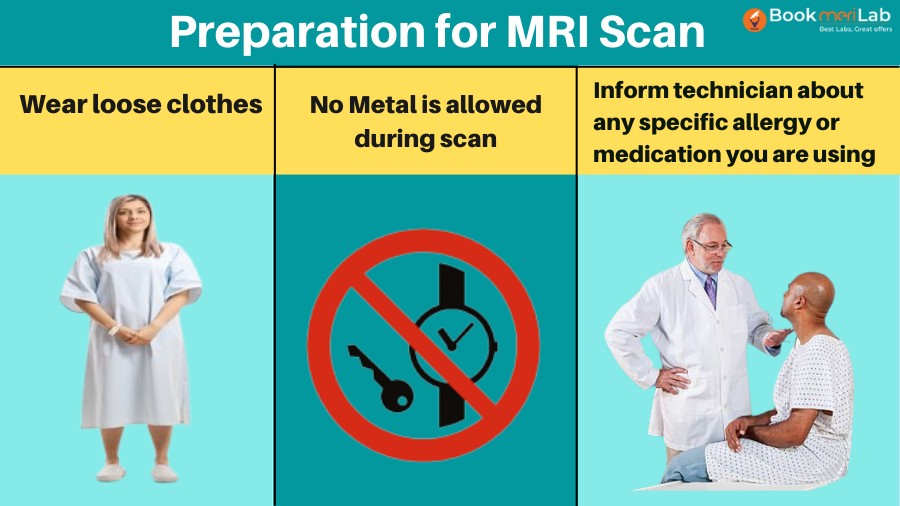
You may be asked to remove any metal objects, such as jewelry or eyeglasses, before the MRI. You may also be asked to wear a hospital gown.
Yes, a magnetic resonance imaging (MRI) scan can show signs of arthritis in the hip joint.
An MRI hip joint scan in India most of the time costs between ₹2,999 to ₹7,500. The price depends on the city, the kind of the scan, and the center of the diagnosis.
A hip MRI is single-handedly the best method to locate the source of hip pain. Through distorted and detailed pictures of bone, cartilage, muscle, and nerve, MRI helps in the exact diagnosis of the cause of the pain.
The answer is “yes”. An MRI is able to reveal the situation of nerve pressure, inflammation, or injury in the hip area as well as the adjacent parts.
Indeed. Inflammation in the organs, tendons, ligaments, and surrounding the joint or soft tissue can be visible by a hip MRI and therefore, it can be regarded as a tool of the illness’s identification.

Dr Garima Saroj is a dentist from Manipal college of dental sciences. She has previously worked at ESIC dental college and hospital Delhi and Dentecare multispecialty dental clinic Gurugram. She has a passion for writing for patient education and awareness.
A Discount Providing Platform on all Diagnostic Services at your nearest Labs. 100's of Certified Labs, Assured Quality & Great Discounts.

