
So, you have just found out you are pregnant and are ready to start preparing for a safe pregnancy for you and your baby. Your doctor might have told you to undergo several tests during pregnancy. These may include urine & blood tests and ultrasound scans.
The total duration of pregnancy is usually divided into three phases of three months each, and there are tests to be done in each of these ‘trimesters’. The prices are variable depending on the type of test. One can also avail in-home sample collection for most blood and urine samples.
| First Trimester (Week 1- Week12) | Second Trimester (Week 13- Week 26) | Third Trimester (Week 27- Week 40) |
|---|---|---|
| Beta HCG | GTT (Glucose tolerance test) | USG Scan |
| Antenatal screening | USG Level 2 Scan | HIV Screening |
| Test for vitamin D levels | Urine test for preeclampsia | Group B Streptococcus Test |
| Double marker test | Quadruple test or Triple marker test | Blood test to check for anemia (Iron profile) |
| Ultrasound NT Scan | Amniocentesis/ NIPT | Doppler Pregnancy |
| Early Pregnancy USG | CVS (chorionic villus sampling) | Fetal Echo |
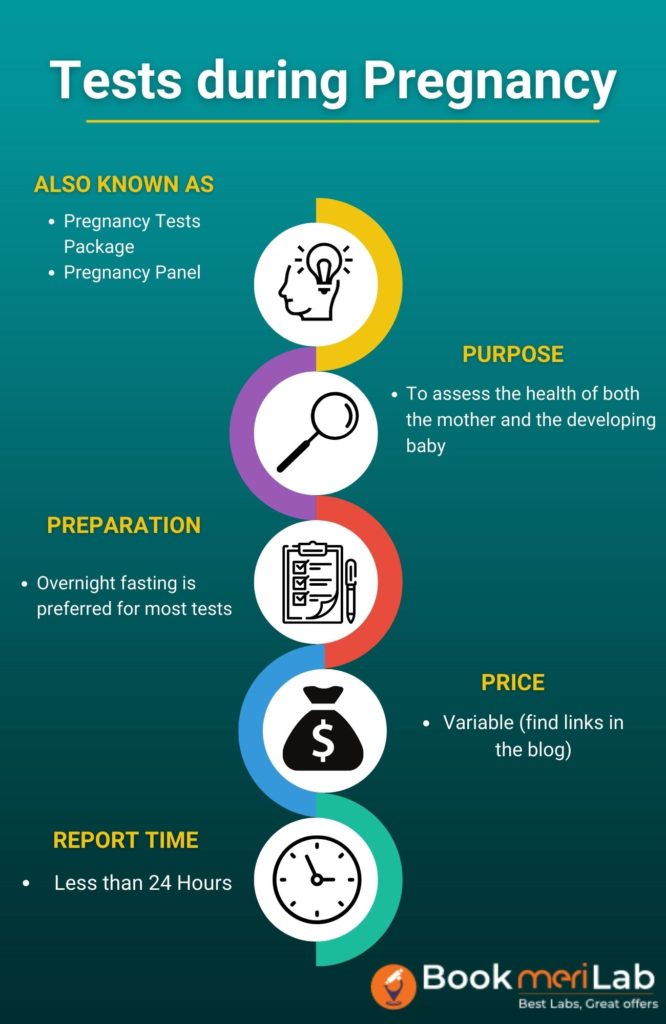
| Also Known As | Pregnancy Tests |
| Purpose | To assess the health of both the mother and the developing baby |
| Preparation | Fasting is preferred for most tests |
| Reporting Time | 8 to 24 Hrs (for most tests) |
| Cost | Variable |
The Pregnancy tests’ price depends on the number of tests included, diagnostic centre and city.
| Lab | Antenatal Screening | Double Marker Test | Iron profile |
|---|---|---|---|
| Dr Lal Path labs | Rs 1400 | Rs 2350 | Rs 550 |
| Metropolis Healthcare | Rs 2900 | Rs 2500 (City-based) | Rs 500( City-based ) |
| SRL Diagnostics | Rs 1500 | Rs 2400 (City-based) | Rs 1200 |
| Redcliffe Labs | Rs 999 | Rs 2000 | Rs 275 |
| Vijaya Diagnostics | Rs 1800 (~approx) | Rs 2200 (City-based) | Rs 700 |
The table below lists the prices of some important pregnancy tests in different cities. You can click on the ‘price’ to get the list of diagnostic centers with their price and discount in the mentioned city.
| City | Antenatal screening | Double marker test | Doppler Pregnancy USG | Ultrasound NT Scan | USG Level 2 Scan |
|---|---|---|---|---|---|
| Delhi | Rs 1500 to Rs 3700 | Rs 1200 to Rs 2150 | Rs 1625 to Rs 3600 | Rs1200 to Rs 3200 | Rs 1600 to Rs 3500 |
| Mumbai | Rs 900 to Rs1790 | Rs 1299 to Rs 2150 | Rs 1350 to Rs 1750 | Rs 1500 to Rs 2500 | Rs 1890 to Rs 2700 |
| Bangalore | Rs 1000 to Rs 3600 | Rs 1246 to Rs 2240 | Rs 1400 to Rs 2300 | Rs 1400 to Rs 1700 | Rs 1890 to Rs 2900 |
| Hyderabad | Rs 900 to Rs 2800 | Rs 760 to Rs 2464 | Rs 1440 to Rs 2080 | Rs 700 to Rs 1600 | Rs 1440 to Rs 3000 |
| Gurgaon | Rs 900 to Rs 1900 | Rs 1560 to Rs 2600 | Rs 1440 to Rs 3500 | Rs 1600 to Rs 3500 | Rs 1900 to Rs 3500 |
| Chennai | Rs 900 to Rs 1500 | Rs 1246 to Rs 2150 | Rs 1600 to Rs 2000 | Rs 1400 to Rs 1600 | Rs 1890 to Rs 2100 |
| Kolkata | Rs 900 to Rs 1400 | Rs 1299 to Rs 2000 | __ | __ |
The main purpose of any prenatal test is to evaluate the health of the mother and the developing fetus. The tests can help determine –
Overnight fasting may be preferred for a few tests. Please follow the instructions given to you by your healthcare provider.
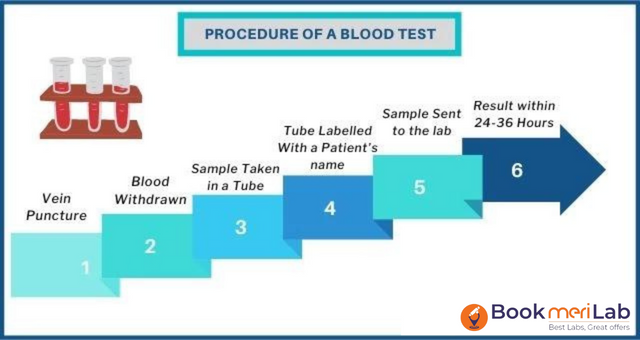
The blood tests are fairly simple. A blood sample is taken from the vein in your arm or hand by the following steps-
The entire procedure takes only a few minutes.
In case of urine tests, you will be given a container to collect your urine sample. You are advised to wipe the area clean before you collect the sample. The container has markings, and you should fill the container to the appropriate levels as directed.
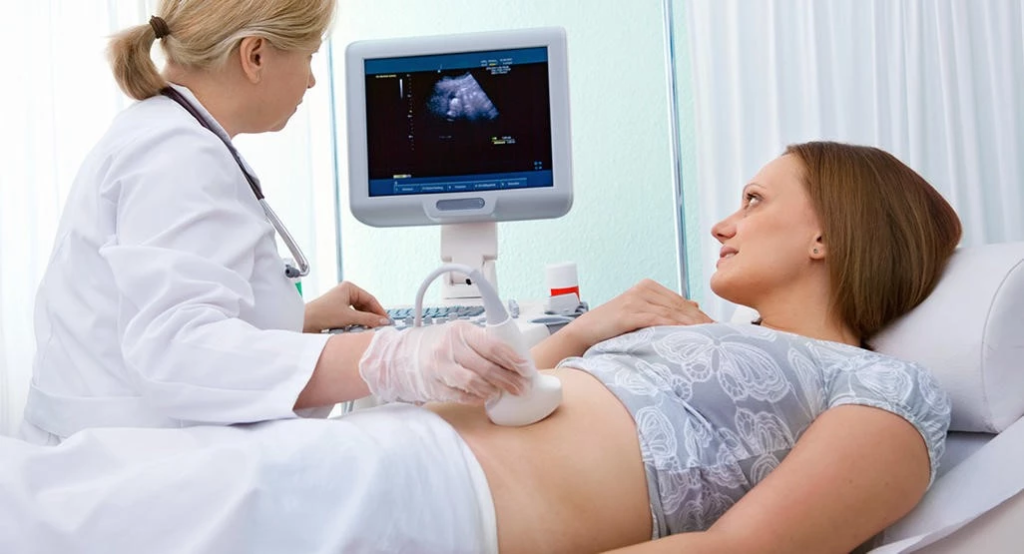
The ultrasound scans can be performed through the abdomen or vagina (transvaginal). The procedure for the scan is as follows:
The entire procedure usually takes about 20-40 minutes.
It is a very simple and safe test. The risks involved are the same as that of any other blood test. These include-
Minor pain and bruising that might occur will resolve on their own in a very short time.
The collection of urine samples and ultrasounds do not pose any risk.
Tests should be done at trusted and reputed labs only. There is a host of disreputable pregnancy clinics that don’t follow the accepted safety and hygiene standards. We at BookmeriLab ensure you get access to the best facility in your city. We recommend that you keep an eye out for the clinics actively promoting the new 3D and 4D ultrasounds.
The following tests are recommended in the first trimester of pregnancy.
ANC test includes blood and urine tests done in the first trimester of pregnancy to evaluate the health of the mother and the developing baby.
Vitamin D test measures the amount of Vitamin D in the blood. Newborn’s vitamin D levels are largely dependent on maternal vitamin D status. Consequently, infants of mothers with or at high risk of vitamin D deficiency are also at risk of vitamin D deficiency.
The Double Marker Test is a blood test that measures the levels of HCG (Human Chorionic Gonadotropin) along with PAPP-A (Pregnancy-Associated Plasma Protein). The doctor may recommend this test between week 9 and week 14 of pregnancy. This test will give you early information about the chances of your baby being born with certain disorders such as Edwards syndrome and Down syndrome.
If the fetus has a risk of Edward’s or Down syndrome, the pregnant mother will have high levels of HCG and low levels of PAPP-A.
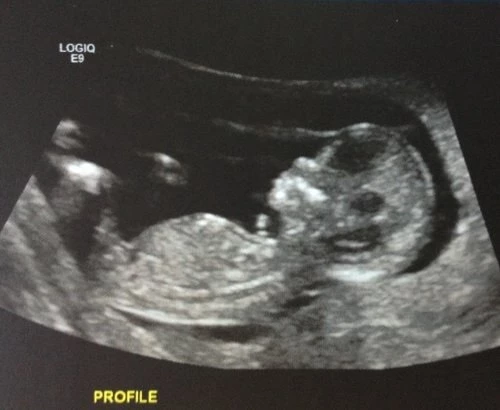
A second test is a combination of blood tests double marker and Ultrasound NT Scan. The nuchal Translucency Scan measures the amount of fluid collected in the back of the neck of the fetus, called the nuchal fold. This measurement can help your doctor estimate the risk of your baby having a chromosomal abnormality such as Down syndrome, Edward’s syndrome (trisomy 18), trisomy 13, etc, as well as heart problems.
Other tests, especially in high-risk pregnancies include:
CVS is an advanced test and doctors will usually recommend it for high-risk pregnancies.
Every pregnancy comes with the possibility of Down syndrome. Many parents will like to know if there are chances that their baby could suffer from the lifelong struggles that come with Down syndrome. This disorder comes from an abnormality at the chromosomal level. Babies born with Down syndrome have physical and mental impairments all their lives. Parents must prepare themselves to take additional tests, plan the course of pregnancy and prepare to care for a child who has special needs.
The screening also looks for any risk of Edwards syndrome, which is often fatal within a year of birth.
The first-trimester screening is optional. It is not a decisive test. It must be followed up by other, more invasive tests. Many parents may not want the kind of stress that comes with it so early in the pregnancy.
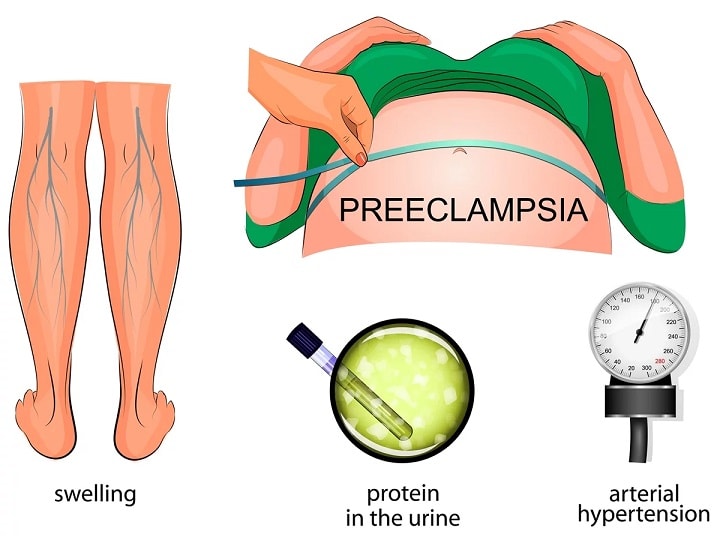
Few recommended tests may be –
If you test positive on these tests, the doctor may recommend further tests during the pregnancy. The triple test in the second trimester is less advantageous than in the first trimester since if you test positive and decide to go for termination, the process will be more traumatic at this late stage.
Tests in the third trimester largely look for infections and deficiencies. Your body has been working hard for over six months, and the tests will help determine if the pregnancy is progressing normally.
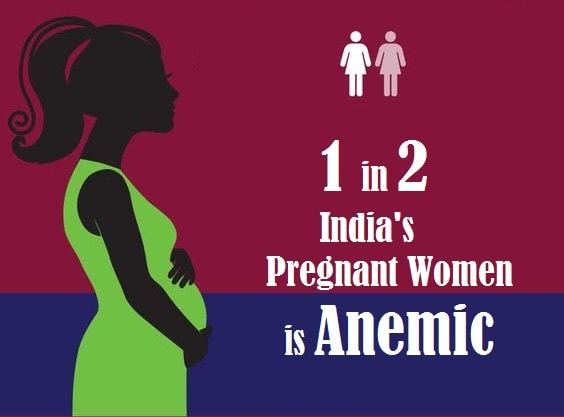
In the third trimester, tests include:
Women over 35 are at a greater risk of pregnancy complications. Doctors monitor them more carefully and they must take more precautions during pregnancy. Late pregnancies could lead to birth defects like Down syndrome, gestational diabetes in the mother, miscarriages, and premature birth. In such cases, the Doctor may also recommend additional tests during pregnancy.
The first trimester is a particularly vulnerable stage for women over 35. For such women, invasive tests for Down Syndrome could cause a miscarriage. Thus, the doctor recommends tests for high-risk pregnancy cases only after careful consideration and discussion with patients.
Pregnancy is a big responsibility. Speak to your doctor and find out what you must do and the things you should not do, while you begin to take responsibility for the life inside you!
BookmeriLab has partnered with many reputed and trusted labs all over India. You may Call our supportive Customer care executive at 08882368882. You may also forward your prescription to the same number. We will help you find the best labs near you for all tests during pregnancy at an affordable cost.

It is usually recommended in the first trimester of pregnancy. Your doctor may advise it at a later stage as well if it was missed earlier or depending on your condition.
NT Scan is done in the first trimester of pregnancy between 11 weeks and 13 weeks six days of gestation.
The Level 1 Ultrasound during the first trimester of the pregnancy checks general details of the baby, such as the size and some significant congenital disabilities. However, the doctor can access much more detailed information in the level 2 ultrasound and see a clearer picture of the developing child. You can read more about Level 1 ultrasound here.
An ultrasound test usually takes about 10 to 30 mins. In some cases, it may take longer.
No. The Doppler pregnancy test usually causes no harm to the mother.
A Discount Providing Platform on all Diagnostic Services at your nearest Labs. 100's of Certified Labs, Assured Quality & Great Discounts.
