
A sodium blood test measures the amount of sodium in the blood. Sodium is an essential electrolyte that helps regulate the balance of fluids in the body, transmit nerve impulses, and support muscle function. The test is typically ordered as part of a routine electrolyte panel, which may also include tests for potassium, chloride, and bicarbonate.
If your sodium blood test results are abnormal, your healthcare provider may recommend additional tests or treatments to determine the underlying cause and address any imbalances. It’s important to follow your healthcare provider’s recommendations and discuss any questions or concerns you may have about your test results. The price range of sodium test is between Rs 90 to Rs 252.

| Also Known As | Na test |
| Purpose | To measure the amount of sodium in the blood, which can help diagnose and monitor various conditions related to fluid and electrolyte balance. |
| Preparation | No special preparation required. |
| Fasting | Yes |
| Reporting Time | 8 to 24 Hrs. |
| Cost | Rs 90 to Rs 252 |
Sodium Test Price usually ranges from Rs 90 to Rs 252. The actual price depends on the diagnostic center and the city. Bookmerilab partners with more than 200 diagnostic centers across India. We provide a 10-50% discount on medical diagnostic tests.
The table below lists the prices at some of the popular diagnostic centres.
| Name of Lab | Test Price |
|---|---|
| Redcliffe Labs | Rs 162 |
| Janta X Ray Clinic | Rs 150 |
| City X-Ray | Rs 150 |
| Prognosis Laboratories | Rs 90 |
| Bharat X Ray Clinic | Rs 143 |
| Dr Lal path labs | Rs 200 |
| Mahajan Imaging | Rs 160 |
| Aarthi Scan | Rs 180 |
The test cost depends upon the one recommended by your healthcare professional. The cost varies depending on the lab and the city.
| City | Test Price |
|---|---|
| Sodium Test Price in Delhi | Rs 90 to Rs 180 |
| Sodium Test Price in Mumbai | Rs 136 to Rs 210 |
| Sodium Test Price in Bangalore | Rs 162 to Rs 192 |
| Sodium Test Price in Hyderabad | Rs 143 to Rs 252 |
| Sodium Test Price in Gurgaon | Rs 98 to Rs 250 |
| Sodium Test Price in Chennai | Rs 162 to Rs 180 |
| Sodium Test Price in Kolkata | Rs 162 to Rs 225 |
A sodium test can be used to help diagnose and monitor various conditions, such as:
t is a fairly simple diagnostic blood test. Below are the steps to draw a blood sample from the vein in your arm or hand-
The entire procedure takes only a few minutes.
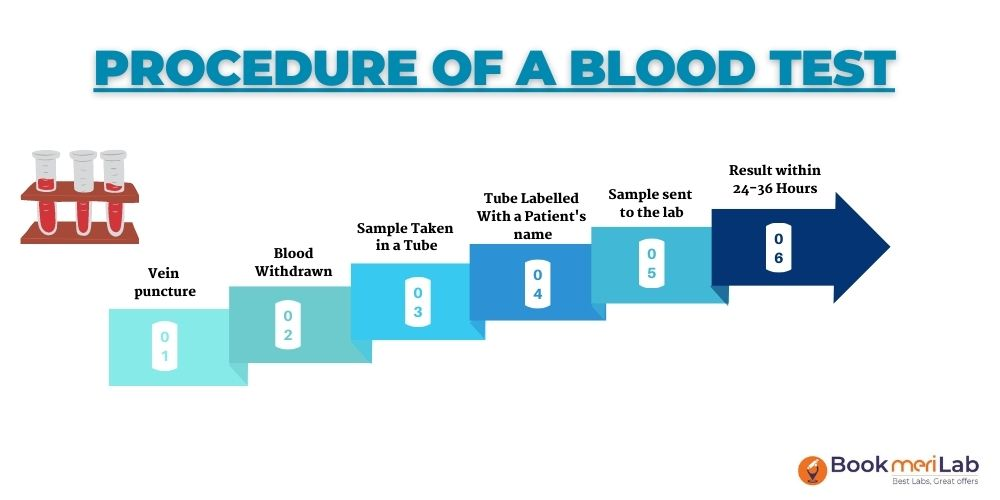
It is a very simple and safe test. The risks involved are the same as that of any other blood test. These include-
Minor pain and bruising that might occur will resolve on their own in a very short time.
The result will provide the sodium levels in the blood, which are typically measured in millimoles per liter (mmol/L).
| Sodium Level | Range | Units |
| Normal | 135 and 145 | millimoles per liter (mmol/L) |
| Abnormal | >135 or <145 | millimoles per liter (mmol/L) |
In conclusion, a sodium blood test is a commonly performed diagnostic test that measures the amount of sodium in the blood. It is a valuable tool for assessing fluid and electrolyte balance and can aid in the diagnosis and monitoring of various medical conditions.
While there are some limitations to the test, including false readings and inconclusive results, it remains an important tool in the management of certain medical conditions. As with any medical test, it’s important to discuss the risks, benefits, and limitations of a sodium test with your healthcare provider.
The sodium test may be ordered to diagnose and monitor conditions that affect sodium levels in the body. Such conditions are dehydration, heart failure, kidney disease, or liver disease. It may also be ordered to monitor the effects of certain medications or treatments that affect sodium levels.
A healthcare provider will typically draw a small sample of blood from a vein in your arm using a needle and syringe. The sample is then sent to a laboratory for analysis.
No, fasting is not typically required for a sodium test. However, you may be asked to avoid eating or drinking anything for a few hours before the test.
The normal range for sodium levels in the blood is typically between 135 and 145 milliequivalents per liter (mEq/L).
Abnormal sodium levels can indicate a variety of conditions. Low sodium levels (hyponatremia) may indicate dehydration, heart failure, kidney disease, or liver disease. High sodium levels (hypernatremia) may indicate dehydration, diabetes insipidus, or certain medications or treatments.
Treatment for abnormal sodium levels depends on the underlying cause. For low sodium levels, treatment may involve fluid and electrolyte replacement. Where as, the high sodium levels may require fluid restriction or medication adjustments.
A Discount Providing Platform on all Diagnostic Services at your nearest Labs. 100's of Certified Labs, Assured Quality & Great Discounts.
