A potassium test is a type of blood test that measures the level of potassium in your blood. Potassium is an important electrolyte that helps regulate the function of the heart, muscles, and other organs in the body. The test is usually ordered as part of a routine health check or to monitor conditions such as kidney disease, heart disease, or high blood pressure, which can affect potassium levels.
Abnormal levels of potassium in the blood can lead to serious health problems such as heart arrhythmias or muscle weakness, so it is important to have regular potassium tests as recommended by your doctor. The price range of Potassium blood test is Rs 90 to Rs 252.
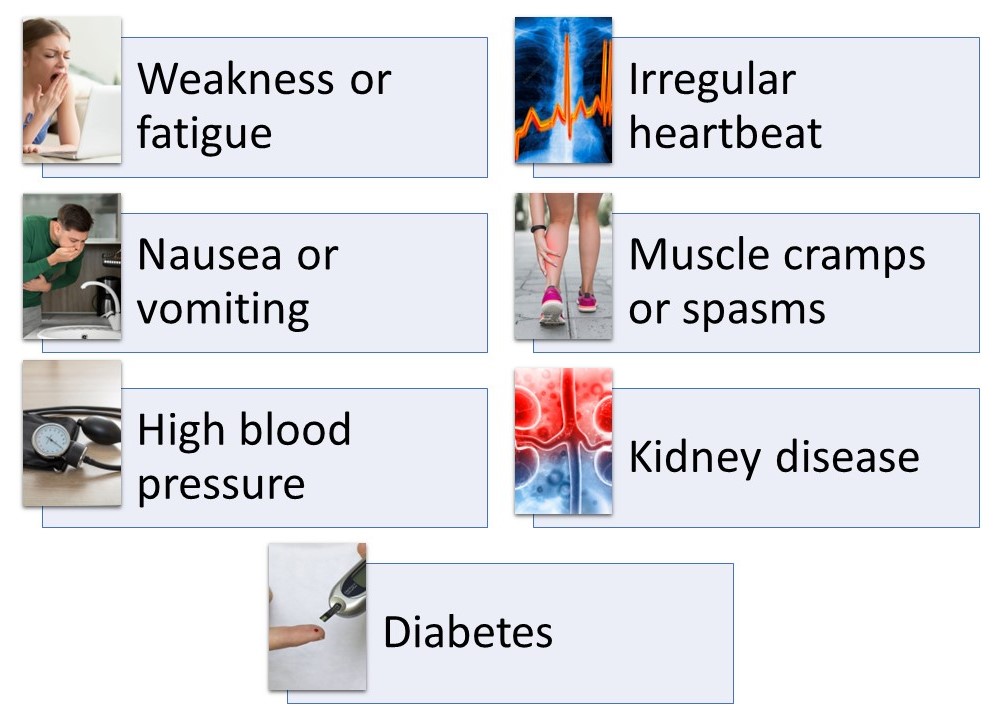
Your doctor may recommend a Potassium test because of the following symptoms-
To measure the level of potassium in the bloodstream, which can provide important information about electrolyte balance, certain medical conditions, and overall health.
Preparation
No special preparation required.
Fasting
May need to fast.
Reporting Time
8 to 24 Hrs.
Cost
Rs 90 to Rs 252
Price
Potassium Test Price usually ranges from Rs 90 to Rs 252. The actual price depends on the diagnostic center and the city. Bookmerilab partners with more than 200 diagnostic centers across India. We provide a 10-50% discount on medical diagnostic tests.
Prices at Popular diagnostic centres
The table below lists the prices at some of the popular diagnostic centres.
Name of Lab
Test Price
Redcliffe Labs
Rs 162
Prognosis Laboratories
Rs 90
Janta X Ray Clinic
Rs 150
City X-Ray
Rs 150
Bharat X Ray Clinic
Rs 143
Mahajan Imaging
Rs 152
Dr Lal path labs
Rs 200
Aarthi Scan
Rs 180
Cost in different cities
The test cost depends upon the one recommended by your healthcare professional. The cost varies depending on the lab and the city.
Evaluate electrolyte balance: Potassium is an electrolyte that is responsible for maintaining the balance of fluids and electrolytes in the body. The test helps to evaluate the electrolyte balance in the body.
Diagnose medical conditions: Abnormal levels of potassium in the blood can be an indicator of certain medical conditions such as kidney disease, Addison’s disease, and others.
Monitor certain medications: Some medications, such as diuretics, can cause potassium levels to fluctuate. The test helps to monitor the potassium levels while taking such medications.
Assess heart health: Potassium is essential for maintaining a healthy heart rhythm. The test is used to evaluate the potassium levels in individuals with heart conditions.
Monitor dehydration: Low potassium levels can be a sign of dehydration. The test can help monitor potassium levels in individuals who are dehydrated.
Evaluate muscle and nerve function: Potassium is essential for proper muscle and nerve function. Abnormal levels can cause muscle weakness, cramps, and other symptoms. The test helps evaluate the potassium levels in individuals experiencing such symptoms.
Preparation
Depending on the doctor’s instructions, the patient may be asked to fast for a certain period before the test.
Some medications or supplements can affect potassium levels in the blood, so the patient may be advised to avoid them for a specific period before the test.
Drinking plenty of water before the test can help ensure accurate results.
It is essential to inform the doctor of any health conditions, medications, or supplements the patient is taking, as they may affect potassium levels.
Procedure
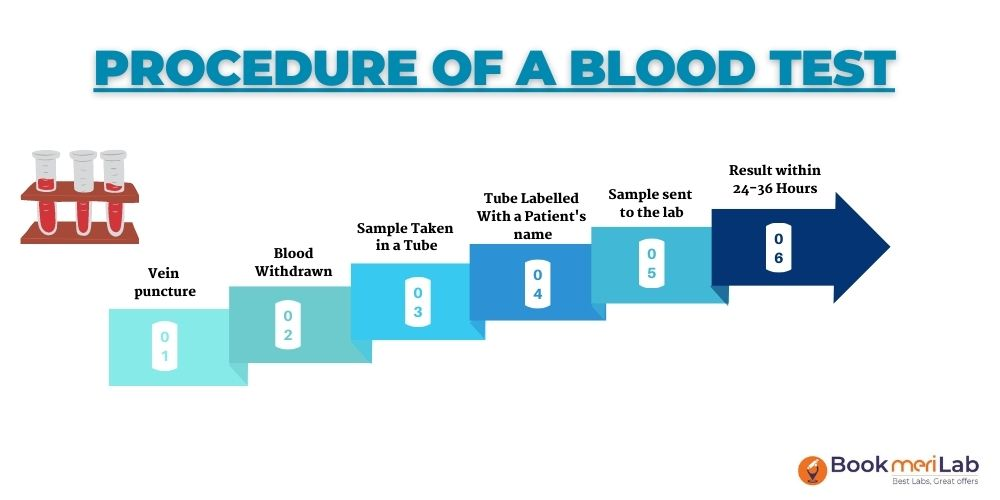
It is a fairly simple diagnostic blood test. Below are the steps to draw a blood sample from the vein in your arm or hand-
A technician (phlebotomist) may tie a tourniquet (elastic band) to your arm.
The phlebotomist will locate your blood vessel.
Then the site is cleaned with spirit.
A Needle is inserted into your vein to draw the blood.
The blood sample is then withdrawn into a syringe or a vial.
Cotton is placed on the puncture site with mild pressure till the bleeding stops.
A small band-aid is then placed, which may be removed after an hour.
The entire procedure takes only a few minutes.
Risk
It is a very simple and safe test. The risks involved are the same as that of any other blood test. These include-
Infection at the puncture site if proper sterilization protocol is not followed and the needle is contaminated. This is, however, very rare. You may ensure that your phlebotomist takes out the needle in front of you from a sterile pack.
Multiple pricks if the blood vessel is not easily found
Excessive bleeding at the puncture site- Please inform your healthcare provider if you are taking any blood thinners or have any bleeding disorders.
Light-headedness due to stress or heavy bleeding.
Minor pain and bruising that might occur will resolve on their own in a very short time.
Result
Normal range: The normal range for potassium in the blood is typically between 3.5 to 5.0 millimoles per liter (mmol/L). However, the exact range may vary depending on the laboratory that performed the test.
High potassium (hyperkalemia): If your potassium levels are higher than normal, this could indicate a condition called hyperkalemia. This can be caused by a variety of factors, such as kidney disease, certain medications, or excessive intake of potassium supplements.
Symptoms of hyperkalemia can include-
Muscle weakness or paralysis
Numbness or tingling sensations
Nausea and vomiting
Abdominal cramping or discomfort
Irregular heartbeat or palpitations
Difficulty breathing
Anxiety or restlessness
Fatigue or weakness
Confusion or mental fog
Tingling or numbness in the hands, feet, or lips
Low potassium (hypokalemia): If your potassium levels are lower than normal, this could indicate hypokalemia. This can be caused by several factors, such as chronic diarrhea, excessive sweating, or the use of certain medications.
Symptoms of hypokalemia can include-
Muscle weakness or cramps
Fatigue or lethargy
Constipation
Abnormal heart rhythms or palpitations
Increased urination
Numbness or tingling sensations in the limbs or face
Breathing difficulties
Mood changes or irritability
Digestive issues, such as bloating or abdominal cramps
Increased susceptibility to muscle injury.
Limitations
Limited to measuring extracellular potassium levels: The test only measures the amount of potassium that is outside the cells and not inside the cells, which can limit its usefulness in certain medical conditions.
Interference from hemolysis: Hemolysis, the breakdown of red blood cells, can interfere with potassium test results and cause falsely elevated levels.
Interference from certain medications or supplements: Some medications or supplements can affect potassium levels and may interfere with test results.
Lack of specificity: Abnormal potassium levels may indicate various health conditions, so a potassium test alone may not provide a definitive diagnosis.
False positives or negatives: In some cases, a potassium test may produce false-positive or false-negative results, which can affect the accuracy of the diagnosis and treatment plan.
Conclusion
In conclusion, a potassium is an essential electrolyte that plays a crucial role in various bodily functions, including regulating heart function, supporting nerve function, and maintaining proper fluid balance. A doctor may recommend a potassium test as part of routine health check-ups or to monitor specific medical conditions.
However, it’s important to note that while a potassium test can provide valuable information, it does have some limitations. Moreover, the test only measures extracellular potassium levels, which can limit its usefulness in certain medical conditions. Therefore, it is essential to interpret the potassium test results in the context of the patient’s overall health and medical history.
FAQs
1. What is a normal potassium level in the blood?
A normal potassium level is between 3.6 to 5.2 millimoles per liter (mmol/L) in the blood.
2. How is the potassium blood test performed?
The test involves taking a small sample of blood from a vein in the arm and sending it to a laboratory for analysis.
3. Is fasting required before a potassium test?
Fasting is not typically required before a potassium test, but patients should follow any specific instructions provided by their healthcare provider.
4. What can cause high potassium levels in the blood?
High potassium levels can be caused by kidney disease, Addison’s disease, medications, or excessive potassium intake.
5. What can cause low potassium levels in the blood?
Low potassium levels can be caused by diarrhea, vomiting, diuretic medications, or inadequate potassium intake.
6. What are the symptoms of abnormal potassium levels in the blood?
Symptoms of abnormal potassium levels can include muscle weakness, cramps, fatigue, irregular heartbeat, and nausea.
7. How often should a potassium test be performed?
The frequency of testing depends on the individual’s medical history and overall health, but it is typically ordered as part of routine blood work or when a specific medical condition is suspected.