
TORCH test helps in preventing complications in newborn babies. It test stands for “Toxoplasmosis, Other (HIV, hepatitis virus, varicella, parvovirus, syphilis), Rubella and Simplex virus“. This test diagnoses the infections that transmit from the mother to the fetus during pregnancy.
It is used to determine whether the mother was exposed to certain illnesses while she was pregnant and whether the baby had these infections as well. In order to find out if the mother has ever been exposed to any of these illnesses and to evaluate the risk of infection in the fetus, the test is often performed during the first trimester of pregnancy. The test’s outcomes can inform choices on prenatal care and pregnancy management.
Bacteria: These are disease-causing microorganisms. These can’t be seen with naked eyes. They are living outside your body. Once they enter your body, they multiply. An example of bacteria is Toxoplasmosis. The name Toxoplasma itself suggests Toxic to plasma.
Virus: The virus does not fall into absolute living and absolute non-living. They behave like dead outside your body and living inside your body. These Viruses include HIV, hepatitis, varicella, parvovirus, and syphilis.
| Also Known As | CT Chest, Chest CT, CT Thorax, HRCT Chest, CECT Chest, CECT Thorax |
| Purpose | Lung infection, COVID severity, TB, pneumonia & tumours. |
| Preparation | No special preparation required. 4-6 Hours fasting required for CECT Chest |
| Fasting | No |
| Machine Used | CT Scanner (Preferably minimum 8 slices) |
| Reporting Time | 8 to 24 Hrs. |
| Cost | Rs. 2000 to Rs. 6000 |
Infection during pregnancy can affect the baby in the womb. The baby can get infected in the first 3-4 months of pregnancy. Each disease included under the TORCH panel has specific signs and symptoms.
The purpose of the tests is as given below –
TORCH test is helpful in the early detection of subsequent infections.
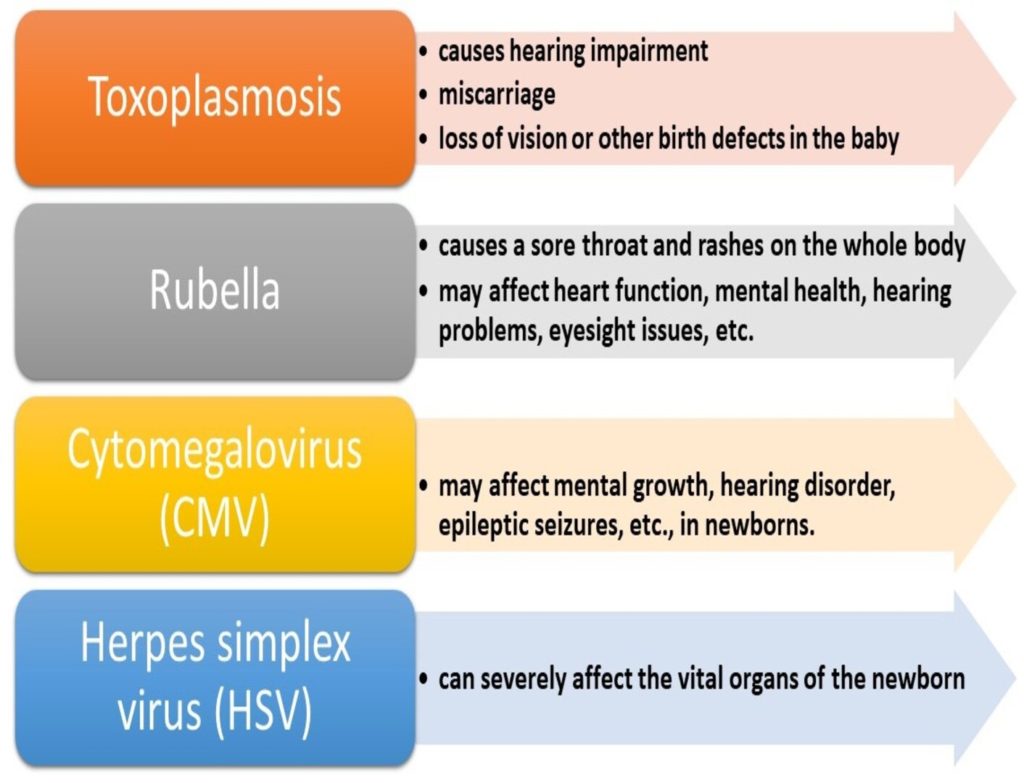
The Toxoplasma gondii bacteria causes a parasitic infection. The parasites are microorganisms that start living in the host’s body from where they are absorbing the nutrition. The symptoms of these infections are
Hearing impairment: The Toxoplasma gondii bacteria impairs the conductive neural. In the conductive neural interruption, there is an error in travelling sound signals to the brain. It involves a delay in listening and responding to the voice.
Miscarriage: It involves the death of the unborn child in the womb. The Torch test after miscarriage is useful for the identification of any infection in the mother. These bacteria can travel in the bloodstream and may attack the newly developing baby in the uterus.
Loss of vision or other birth defects in the baby: The Torch test in pregnancy can be helpful in the prevention of loss of eyesight and vision in the unborn baby. Toxoplasma gondii is a highly dangerous bacteria.
The Rubella virus eventually causes a sore throat and rashes on the whole body. Rubella infection may affect heart function, mental health, hearing problems, eyesight issues, etc.
The CMV from the mother’s blood can be transferred to the baby from the placenta route. Cytomegalovirus may reach the fetus through the placenta or through breast milk. It may affect mental growth, hearing disorder, epileptic seizures, etc., in newborns. The virus could infect Mothers if they go through sexual contact or exposure to body fluids like saliva and blood from a person who has CMV.
Herpes simplex virus is of 2 types. Both types can severely affect the vital organs of the newborn. The infection is transmitted to the baby during vaginal delivery.
Sometimes TORCH is also referred to as TORCH, where ‘S’ stands for syphilis.
All these infections can pass to the baby and cause severe life-threatening problems. HIV, the Human immunodeficiency virus, causes AIDS. Hepatitis disease causes inflammation in the liver.
Infections caused by the above pathogens result in the production of antibodies (immunoglobulins IgG and IgM). These immunoglobulins are detected in the blood sample. IgG is detected days after the infection occurs, whereas IgM can be detected immediately after the infection.
So, the TORCH test identifies the presence of the following-
The doctor may recommend a TORCH test in newborns when certain signs are present.
TORCH test is done by withdrawing a sample of blood. The lab technician collects the required sample by vein puncture from the arms.
The test procedure simply involves the following steps.
The TORCH test result is normal if the report is negative. The test result shows the recent, ongoing or old infection. The table below depicts the result interpretation depending upon the presence and absence of IgG and IgM antibodies.
| IgG | IgM | Interpretation |
| Negative | -ve | Negative result (no previous or latest infection) |
| Positive | +ve | Positive result (presence of recent infection) |
| Negative | +ve | Most recent infection |
| Positive | -ve | Old infection which is cured |
If a mother or newborn baby has a positive TORCH result, the healthcare provider will recommend other tests to diagnose the infection.
There is no risk associated with the TORCH test. Some may have bruises or infections at the site of vein puncture.
There are additional risks associated with overdiagnosis (false-positive results) and underdiagnosis (false-negative results). Thus, it is important to discuss with your healthcare provider and weigh the potential benefits and risks of the test before making a decision
To find infections in newborns, doctors perform a series of tests called the TORCH test. When a mother is pregnant, she can transmit Toxoplasmosis, Rubella, Cytomegalovirus, and Herpes to her unborn child, which can have major health consequences. It can assist in figuring out if the infant has ever been exposed to any of these illnesses.
Before choosing a course of action, it is crucial to talk with a healthcare expert and consider the pros and cons of the test. In the case that the test is positive, quick medical attention can be provided to the infant in order to either cure or lessen the severity of the sickness.
It is crucial to remember that even if the test is negative, regular check-ups with the healthcare provider are always advised because infection cannot always be eliminated by a negative test result.
Positive TORCH results during pregnancy may cause miscarriage. This indicates the presence of antibodies against the TORCH microorganism.
Positive TORCH test results after miscarriage suggests the presence of infection in the past and the existence of antibodies that can fight against TORCH infection. Positive TORCH result after a miscarriage does not affect your next pregnancy.
You must get yourself tested if, by any means, you are exposed to infectious diseases. Physicians suggest this test when a pregnant woman falls ill or if a baby in the womb is found to have congenital abnormalities.
No. The TORCH test does not have any utility in the identification of infertility. There is no correlation between TORCH infections with infertility.
A TORCH Test before pregnancy is ideal. It may foresee the abnormalities in the mother or the baby.
This test indicates the presence of Cytomegalovirus in the blood. Your body produces IgG antibodies as a response to fighting Cytomegalovirus.
A Discount Providing Platform on all Diagnostic Services at your nearest Labs. 100's of Certified Labs, Assured Quality & Great Discounts.
