The glucose challenge test is a medical test used to diagnose gestational diabetes, a form of diabetes that can develop during pregnancy. The test involves drinking a sugary solution and then measuring blood glucose levels at specific intervals afterwards to see how well the body is able to process the sugar.
The results of the test can help healthcare providers determine if a woman is at risk for gestational diabetes and may need further testing or treatment. It’s important to note that the glucose challenge test is not perfect. Therefore, healthcare providers may use additional tests and diagnostic criteria to confirm or rule out gestational diabetes. The price range of GCT test is usually between Rs 40 to Rs 329.
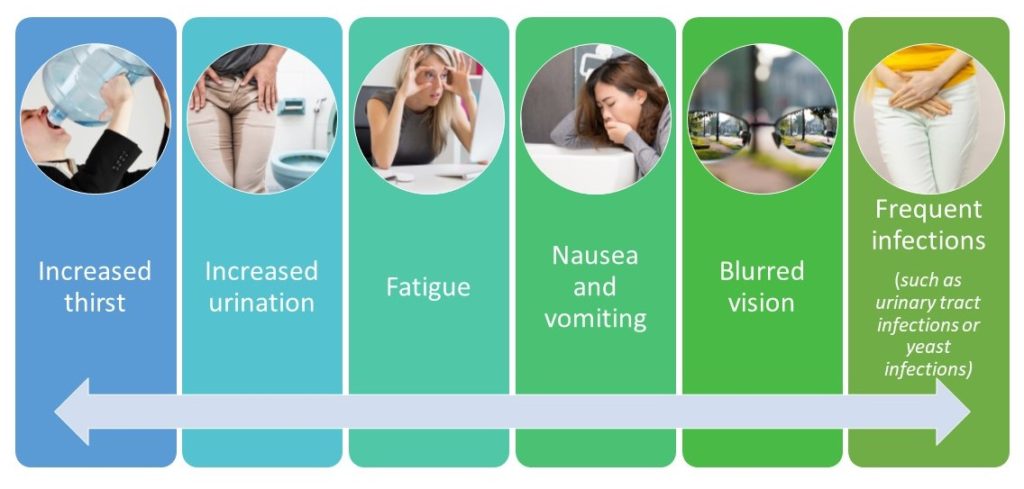
Your doctor may recommend a GCT Test because of the following reasons-
Increased thirst and urination
Fatigue
Nausea and vomiting
Blurred vision
Frequent infections(Women who are experiencing frequent infections, such as urinary tract infections or yeast infections).
The GCT Test Price usually ranges from Rs 40 to Rs 329. The actual price depends on the diagnostic center and the city. Bookmerilab partners with more than 200 diagnostic centers across India. We provide a 10-50% discount on medical diagnostic tests.
Prices at Popular diagnostic centres
The table below lists the prices at some of the popular diagnostic centres.
Name of Lab
Test Price
Redcliffe Labs
Rs 86
Janta X-Ray Clinic
Rs 90
City X-Ray
Rs 68
Prognosis Laboratories
Rs 60
National Imaging
Rs 210
Bharat X Ray Clinic
Rs 59
Dr Lal path labs
Rs 90
Aarthi Scans
Rs 180
Cost in different cities
The test cost depends upon the one recommended by your healthcare professional. The cost varies depending on the lab and the city.
Screening for gestational diabetes: The GCT is used to identify pregnant women who may have high blood glucose levels and may be at risk of developing gestational diabetes.
Early detection of gestational diabetes: The GCT is typically performed between 24 and 28 weeks of pregnancy, which allows for early detection and treatment of gestational diabetes if it is present.
Prevention of complications: By identifying and treating gestational diabetes early, healthcare providers can help to prevent or reduce the risk of complications for both the mother and baby, such as high birth weight, premature birth, and low blood glucose levels in the baby.
Improved pregnancy outcomes: Early detection and treatment of gestational diabetes can help to improve pregnancy outcomes, such as reducing the risk of complications and improving overall health for both the mother and baby.
Follow-up testing: Depending on the results of the GCT, healthcare providers may recommend additional testing, such as the glucose tolerance test, to confirm a diagnosis of gestational diabetes or to monitor blood glucose levels throughout pregnancy.
Preparation
You do not need to fast before the glucose challenge test.
Pregnant women should inform their healthcare provider of all medications they are taking, including over-the-counter and herbal supplements, as some medications can affect blood glucose levels and may need to be temporarily stopped before the test.
Pregnant women should wear comfortable clothing to the appointment, as they may need to remain in the clinic or hospital for several hours during the test.
Procedure
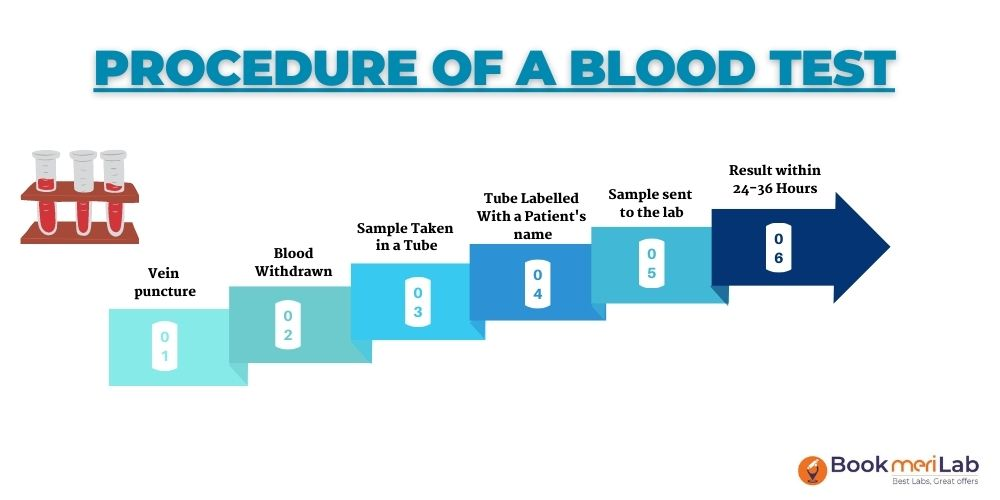
The woman is asked to drink a sugary solution containing a specific amount of glucose, usually 50 grams. The solution may taste sweet or fruity.
The woman must drink the solution within a specified period of time, usually 5-10 minutes.
After 1 hour has passed, the woman’s blood glucose level is measured through a blood draw.
If the woman’s blood glucose level is elevated above a certain threshold, which varies depending on the healthcare provider and specific protocol, then further testing may be required to confirm a diagnosis of gestational diabetes.
If the woman’s blood glucose level is within the normal range, then no further testing is typically required at this time.
Following the glucose challenge test, you can immediately resume your regular activities. The results of the test will be provided to you later by your healthcare provider.
Risk
It is a very simple and safe test. The risks involved are the same as that of any other blood test. These include-
Infection at the puncture site if proper sterilization protocol is not followed and the needle is contaminated. This is, however, very rare. You may ensure that your phlebotomist takes out the needle in front of you from a sterile pack.
Multiple pricks if the blood vessel is not easily found.
Excessive bleeding at the puncture site- Please inform your healthcare provider if you are taking any blood thinners or have any bleeding disorders.
Light-headedness due to stress or heavy bleeding.
Minor pain and bruising that might occur will resolve on their own in a very short time.
Result
The glucose challenge test results are reported in millimoles per litre (mmol/L) or milligrammes per deciliter (mg/dL).
A normal blood sugar level is less than 140 mg/dL (7.8 mmol/L).
A three-hour glucose tolerance test is required to identify gestational diabetes if the blood sugar level is between 140 mg/dL (7.8 mmol/L) and 190 mg/dL (10.6 mmol/L).
Gestational diabetes is indicated by a blood sugar level of 190 (10.6 mmol/L) or above. It’s possible no additional testing is required.
Limitations
False positives and false negatives may lead to unnecessary follow-up testing or delayed treatment, respectively.
The GCT cannot definitively diagnose gestational diabetes; further testing is required.
Blood glucose levels can vary throughout the day, which can affect the accuracy of the test results. The results of the GCT may be affected by factors such as stress, exercise, and diet. This can make it difficult to accurately identify women who have gestational diabetes.
Conclusion
In conclusion, the GCT test is a useful tool for detecting gestational diabetes in pregnant women. The test is quick and relatively easy to administer. It can provide valuable information about a woman’s risk of developing complications during pregnancy. While some women may find the test uncomfortable or inconvenient, the benefits of early detection and treatment of gestational diabetes far outweigh any minor discomfort associated with the GCT test. Overall, the GCT test is an important part of prenatal care and can help ensure the health and well-being of both mother and baby.
FAQs
1. How is the GCT test performed?
The GCT test is performed by drinking a sweetened beverage and having blood drawn one hour later to measure blood glucose levels.
2. Is the GCT test painful?
No, the GCT test is not painful as it involves a simple blood draw.
3. What should I do to prepare for the GCT test?
It is typically recommended to fast for a few hours before the GCT test, and to avoid eating or drinking anything sweet beforehand.
4. What if my GCT test results are abnormal?
If your GCT test results are abnormal, your healthcare provider may recommend a follow-up test, such as the glucose tolerance test (GTT), to confirm the diagnosis of gestational diabetes.
5. Can I eat or drink anything during the GCT test?