
A prolactin blood test is used as a diagnostic tool to determine the levels of prolactin hormone. The pituitary gland, which can be found at the base of the brain, is responsible for producing the hormone prolactin. Since it promotes and maintains milk production in the mammary glands, the hormone is essential to the female reproductive system.
Additionally, it plays a crucial role in regulating the immune system, the body’s metabolism, and the reaction to stress in both men and women. The test is frequently used to identify diseases that have an impact on prolactin levels, like hyperprolactinemia, which is defined by elevated prolactin levels in the blood. The price range of this test is usually between Rs 250 to Rs 550.
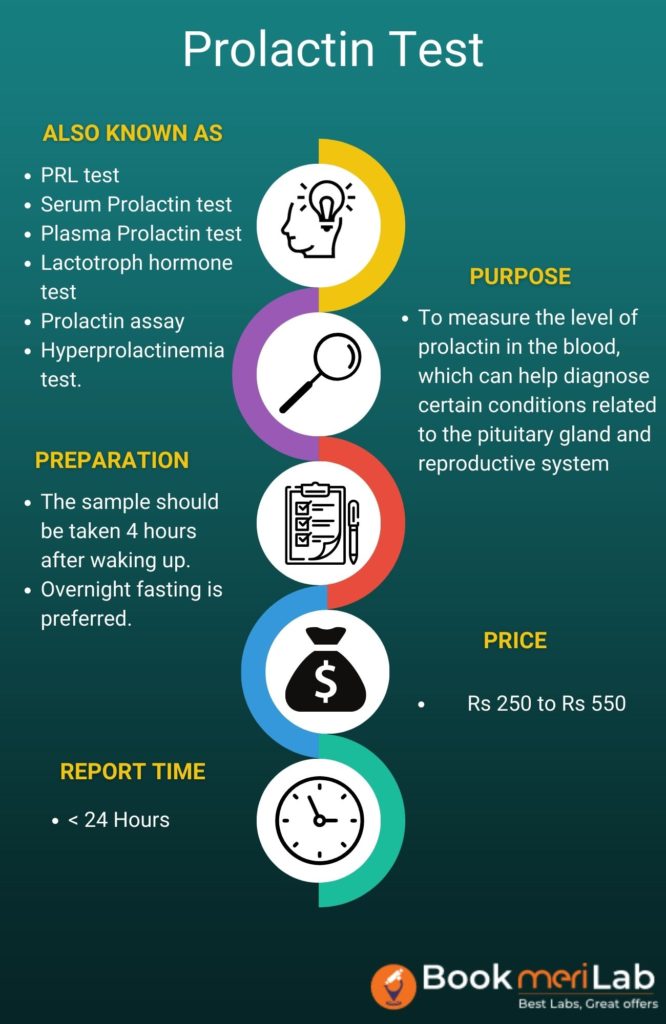
| Also Known As | PRL test, Serum Prolactin test, Plasma Prolactin test, Lactotroph hormone test, Prolactin assay, Hyperprolactinemia test. |
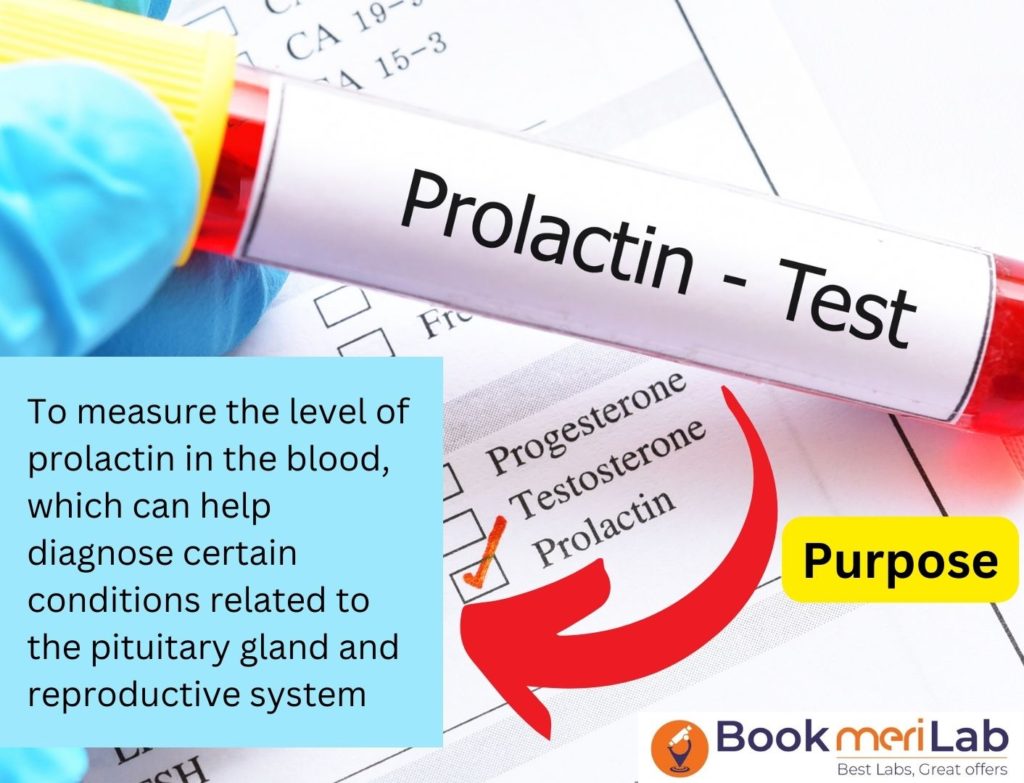
| Purpose | To measure the level of prolactin in the blood, which can help diagnose certain conditions related to the pituitary gland and reproductive system. |
| Preparation | The sample should be taken 4 hours after waking up. |
| Fasting | Overnight fasting is preferred |
| Reporting Time | 8 – 24 hours |
| Cost | Rs 250 to Rs 550 |
The price of this test usually ranges from Rs 250 to Rs 550. The actual price depends on the diagnostic center and the city. Bookmerilab partners with more than 200 diagnostic centers across India. We provide a 10-50% discount on medical diagnostic tests.
The table below lists the prices at some of the popular diagnostic centers.
| Name of Lab | Test Price |
|---|---|
| Redcliffe Labs | Rs 385 |
| City X-Ray | Rs 337.995 |
| Bharat X-Ray | Rs 325 |
| Janta X-Ray Clinic | Rs 270 |
| Prognosis Laboratories | Rs 247.5 |
| Dr Lal path labs | Rs 550 |
The test cost depends upon the one recommended by your healthcare professional. The cost varies depending on the lab and the city.
| City | Test Price |
|---|---|
| Prolactin Test Price in Delhi | Rs 247.5 to 480 |
| Prolactin Test Price in Mumbai | Rs 360 to Rs 550 |
| Prolactin Test Price in Bangalore | Rs 360 to Rs 385 |
| Prolactin Test Price in Hyderabad | Rs 257.013 to Rs 816 |
| Prolactin Test Price in Gurgaon | Rs 260 to Rs 1350 |
| Prolactin Test Price in Chennai | Rs 315 to Rs 550 |
| Prolactin Test Price in Kolkata | Rs 252 to Rs 500 |
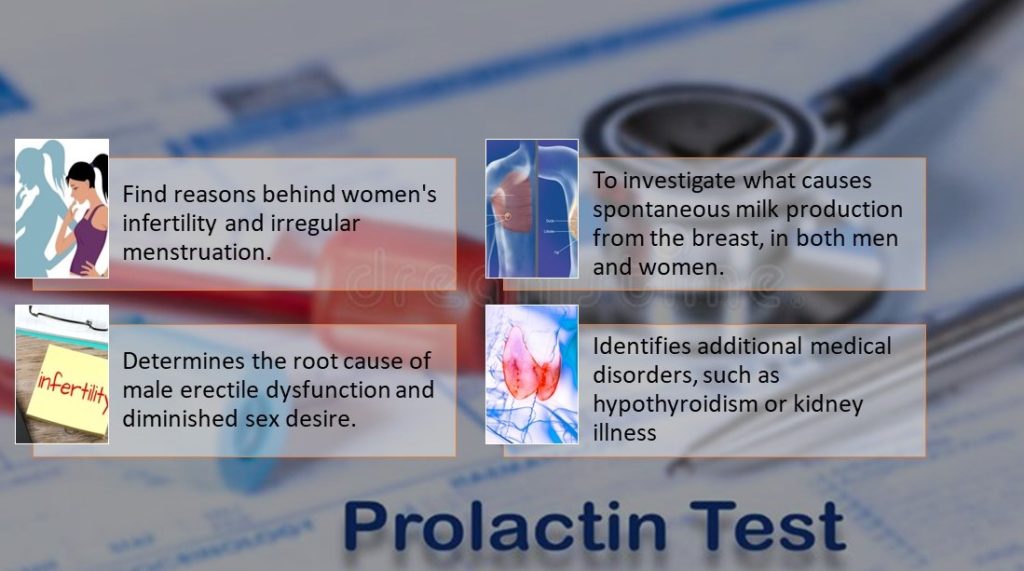
This test helps-
It is a fairly simple diagnostic blood test. Below are the steps to draw a blood sample from the vein in your arm or hand-
The entire procedure takes only a few minutes.
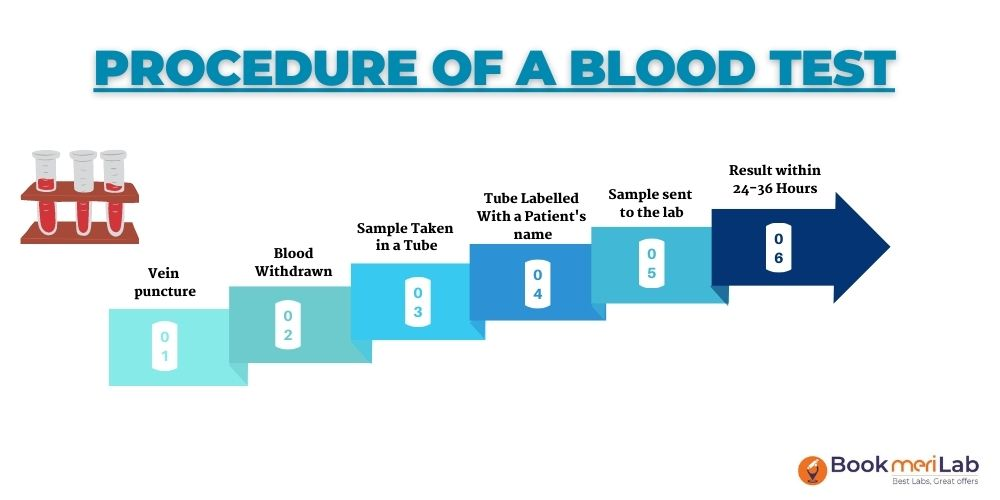
It is a very simple and safe test. The risks involved are the same as that of any other blood test. These include-
Minor pain and bruising that might occur will resolve on their own in a very short time.
The results of a prolactin test show the level of prolactin hormone in the blood. Normal prolactin levels in women who are not pregnant or breastfeeding are generally between 2-29 ng/mL, while normal levels in men are usually between 2-18 ng/mL. The normal level of prolactin in pregnant women is between 10-209 ng/ml.
| Gender | Normal Prolactin Range | Unit |
| Women | 2-29 | ng/mL |
| Men | 2-18 | ng/mL |
| Pregnant Women | 10-209 | ng/mL |
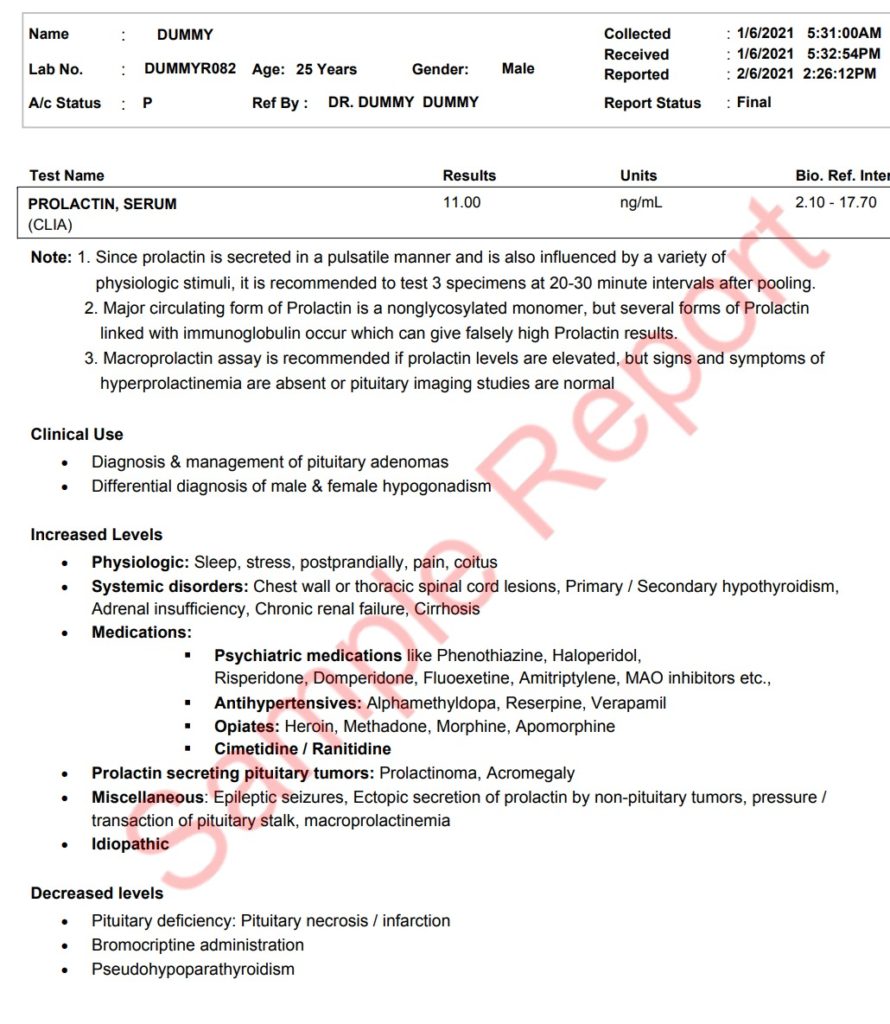
To sum up, a prolactin test is a quick and simple blood test that determines the amount of the prolactin hormone in the blood. A number of medical diseases, including hyperprolactinemia, which can present with a wide range of symptoms, can be indicated by elevated prolactin levels.
Healthcare professionals can identify and treat underlying disorders that have an impact on the pituitary gland and the reproductive system by evaluating prolactin levels. A prolactin test can provide important details about your hormonal health and assist you in maintaining general well-being with the right planning and follow-up with your healthcare professional.
A: A blood test used to measure the level of prolactin hormone in the blood.
A: By collecting a sample of blood from a vein, usually in the arm.
A: Avoid nipple stimulation, sexual activity, or strenuous exercise for 24 hours prior to the test, and fast for 8-12 hours.
A: Conditions such as hyperprolactinemia, stress, certain medications, and hypothyroidism.
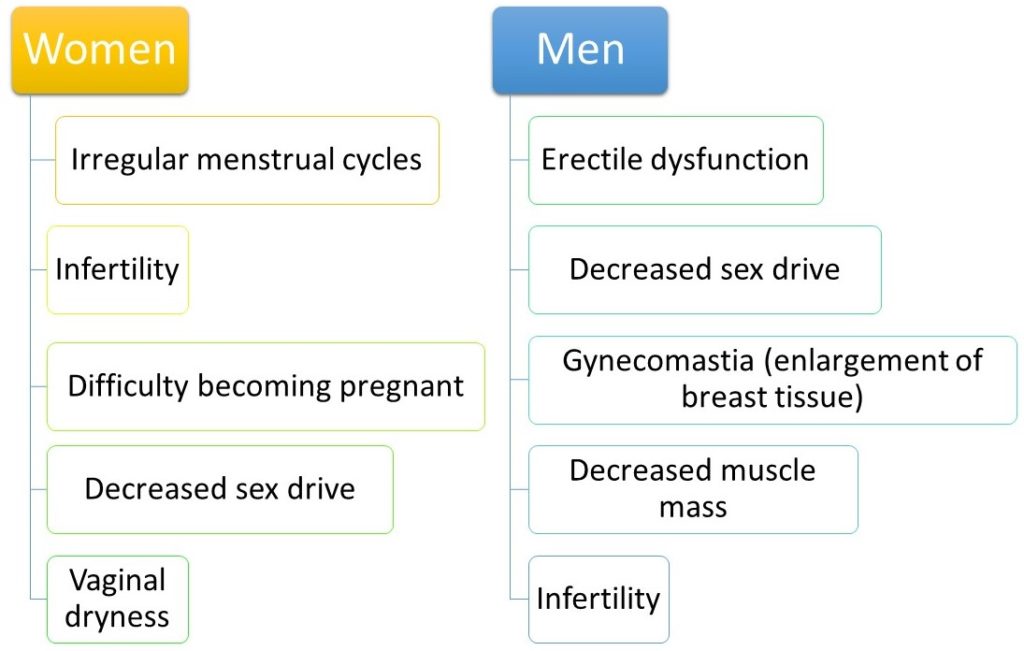
A: Irregular periods, infertility, breast milk production in non-pregnant or non-lactating individuals, and decreased sex drive.
A: Normal levels in women who are not pregnant or breastfeeding are generally between 2-29 ng/mL, while normal levels in men are usually between 2-18 ng/mL.
A: Follow up with your healthcare provider for further testing and treatment.

A Discount Providing Platform on all Diagnostic Services at your nearest Labs. 100's of Certified Labs, Assured Quality & Great Discounts.
