
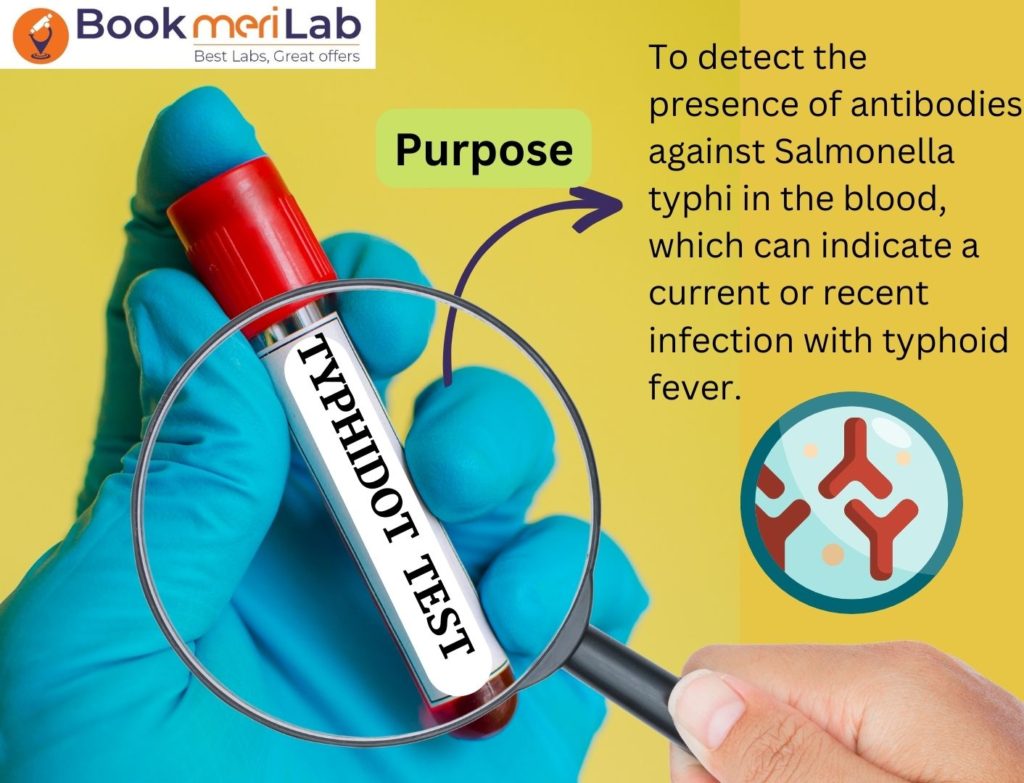
The typhidot test is a blood test that helps detect the presence of IgG and IgM antibodies against typhoid-causing bacteria, Salmonella typhi. The immune system produces proteins known as antibodies in response to an infection, indicating exposure to the bacterium. The Typhidot test is effective for typhoid fever diagnosis. Typhoid fever is a bacterial infection that spreads through contaminated food & drinking water. It can also spread through close contact from one person to another. The disease mainly affects the intestinal tract, liver, and spleen. The price of this test ranges between Rs 350 to Rs 675 on average.
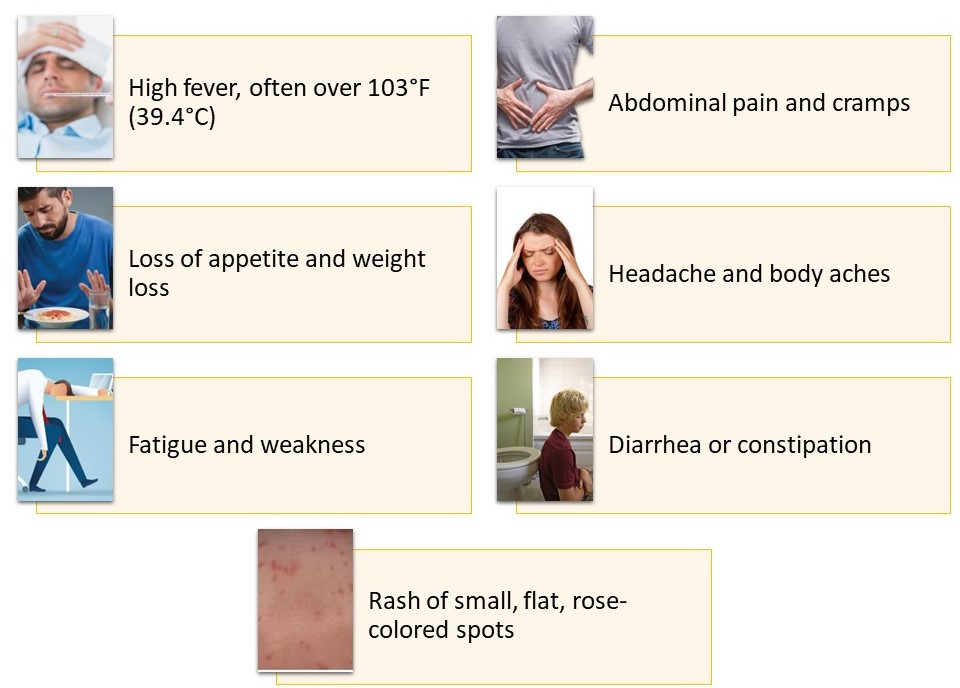
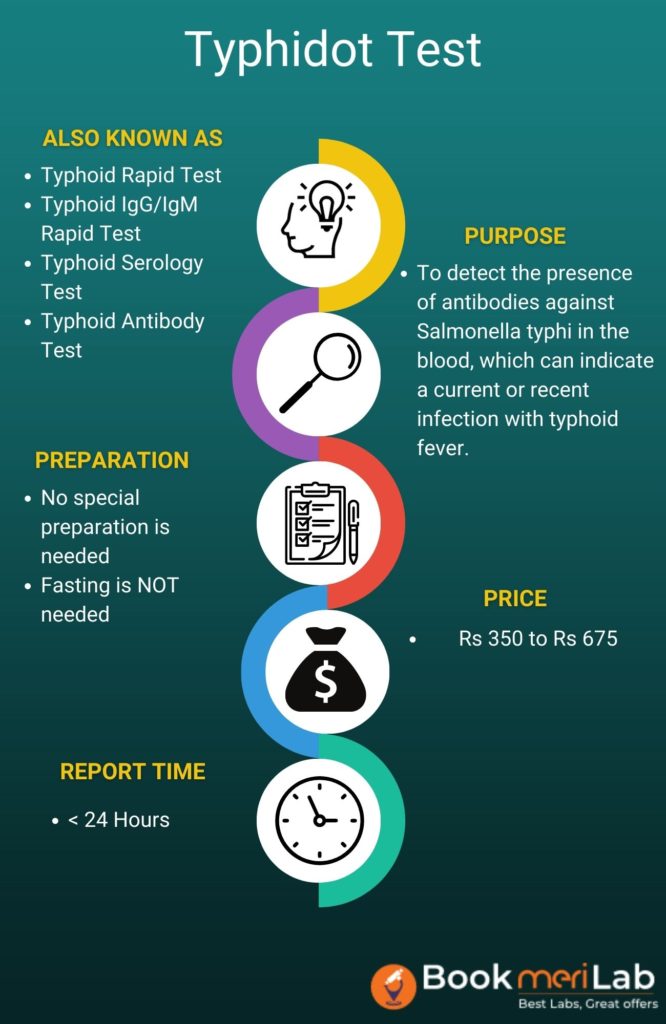
| Also Known As | Typhoid IgM/IgG rapid test, Typhoid serology test, Rapid typhoid test, Typhoid Antibody Test |
| Purpose | To detect the presence of antibodies against Salmonella typhi in the blood, which can indicate a current or recent infection with typhoid fever. |
| Preparation | No special preparation is required. |
| Fasting | No |
| Reporting Time | <24 Hours |
| Cost | Rs 350 to Rs 675 |
The Typhidot Test Price usually ranges from Rs 350 to Rs 675. The actual price depends on the diagnostic centre and the city. Bookmerilab partners with more than 506 diagnostic centres across India. We provide a 10-50% discount on medical diagnostic tests.
The table below lists the prices at some of the popular diagnostic centres.
| Name of Lab | Test Price |
|---|---|
| Redcliffe Labs | Rs 350 |
| Aarthi Scan | Rs 450- Rs 675 ( City-based ) |
| City X-Ray | Rs 675 |
| Bharat X-Ray | Rs 520 |
| Prognosis Laboratories | Rs 360 |
| Janta X-Ray Clinic | Rs 600 |
| Vijaya Diagnostics | Rs 500 |
| Dr Lal Pathlabs | Rs 450 |
The test cost depends upon the one recommended by your healthcare professional. The table below gives the combined cost of the Typhidot IgM and IgG test. In case, you have been recommended only IgM, then the cost will be lower. The cost varies depending on the lab and the city.
| City | Test Price |
|---|---|
| Typhidot Test Price in Delhi | Rs 350 to Rs 675 |
| Typhidot Test Price in Mumbai | Rs 350 to Rs 665 |
| Typhidot Test Price in Bangalore | Rs 350 to Rs 450 |
| Typhidot Test Price in Hyderabad | Rs 350 to Rs 780 |
| Typhidot Test Price in Gurgaon | Rs 328 to Rs 572 |
| Typhidot Test Price in Chennai | Rs 350 to Rs 675 |
| Typhidot Test Price in Kolkata | Rs 350 |
Your doctor may recommend a Typhidot IgM test to detect a recent infection or IgG for past infection of Typhoid.
It does not require fasting or any special preparations. It is crucial to let the doctor know if you have a bleeding issue or are using blood-thinning drugs because the test requires collecting a small sample of blood from a vein in the arm. Also, let your doctor know about any vitamins, drugs, or herbal remedies you’re using because some of them may alter how accurately the test results come back. It is important to inform the healthcare provider if the person has any medical conditions that may affect the test results. The healthcare provider may provide additional instructions specific to the patient.
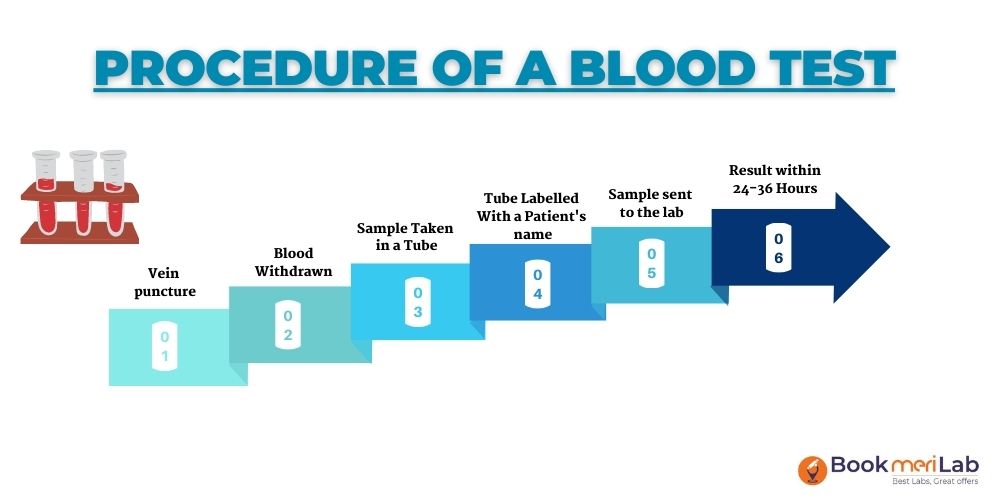
It is a fairly simple diagnostic blood test. Below are the steps to draw a blood sample from the vein in your arm or hand-
The entire procedure takes only a few minutes.
It is a very simple and safe test. The risks involved are the same as that of any other blood test. These include-
Minor pain and bruising that might occur will resolve on their own in a very short time.
When testing for typhoid antibodies, healthcare providers may look for both IgM and IgG antibodies in the blood. The presence of IgM antibodies indicates a recent or active infection. The presence of IgG antibodies suggests either a past infection or vaccination.
The patient’s serum is mixed with an antigen containing fragments of the Salmonella Typhi bacterium, and if there are antibodies present they will bind to the antigens and create visible spots on the slide. These spots can then be counted and measured for a result. Typically, the Typhidot test yields positive or negative results.
The detection of antibodies to Salmonella typhi in the blood indicates a recent or active case of typhoid fever, which is signified by a positive test result.
A negative test result indicates the absence of detected antibodies. This means that the subject is not infected with typhoid fever or that the sample was taken too early for antibodies to develop.
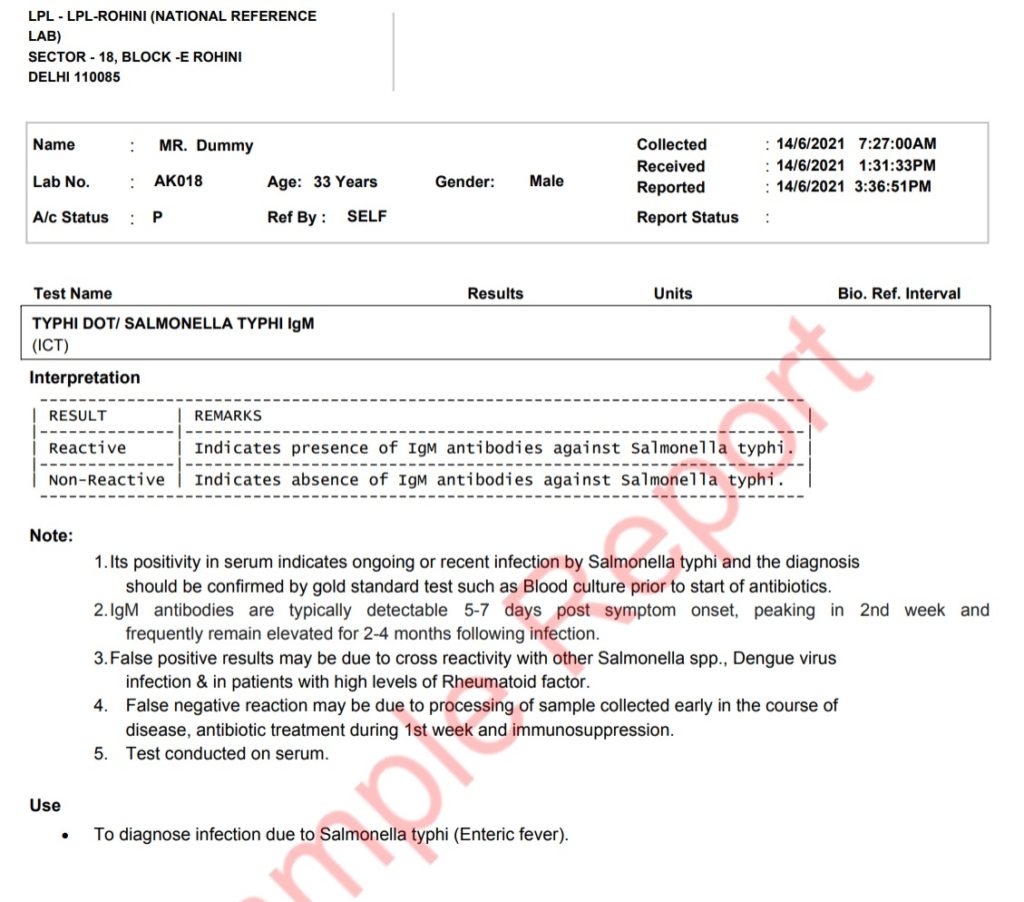
While this test can be helpful in diagnosing the disease, it has some limitations, including:
Healthcare professionals use this test as a valuable diagnostic tool for identifying Salmonella typhi infection, especially in regions where the disease is prevalent. This test detects IgM & IgG antibodies, the markers of exposure to typhoid bacteria. It is relatively simple, safe, and fast, with results usually available within a few hours. Individuals who are at risk of typhoid fever or who experience symptoms of the disease should consult with a healthcare provider to determine if a Typhi dot test or other diagnostic tests are necessary. Overall, the typhidot test is useful in diagnosing typhoid fever, but its interpretation has to be in conjunction with other clinical and laboratory findings.
It is a blood test used to diagnose typhoid fever.
A blood sample is collected from the person and applied to a test strip containing specific antibodies.
It indicates the presence of antibodies against the Salmonella typhi bacteria.
It may mean that the person does not have typhoid fever, but false-negative results are possible.
It has relatively high sensitivity and specificity, but false-positive and false-negative results can occur.
People who are at risk of typhoid fever or who experience symptoms of the disease may be recommended to have the test.
The person may be asked to fast for a certain period before the test.
The risks are minimal, but pain, discomfort, or bruising at the site of blood collection are possible.
Results are usually available within a few hours of sample collection.
Yes, it can be used to monitor a person’s response to treatment for typhoid fever.

Dr Garima Saroj is a dentist from Manipal college of dental sciences. She has previously worked at ESIC dental college and hospital Delhi and Dentecare multispecialty dental clinic Gurugram. She has a passion for writing for patient education and awareness.
A Discount Providing Platform on all Diagnostic Services at your nearest Labs. 100's of Certified Labs, Assured Quality & Great Discounts.
