
HPLC (High-Performance Liquid Chromatography) is a blood test that measures the different types of hemoglobin in the blood and also checks for abnormal types of hemoglobin. Haemoglobin is a protein present in the red blood cells that helps transport oxygen to all parts of the body. The most abundant type of hemoglobin found in healthy adults is Hemoglobin A (HgbA) while the one found in unborn or new born babies is Haemoglobin F (HgbF). There are many abnormal varieties of Hemoglobin as well like HgbS found in sickle cell disease. Diseases with abnormal hemoglobin are termed as hemoglobinopathies. HPLC can help detect these. The price range of the HPLC blood tests is Rs 450 to Rs 1080.
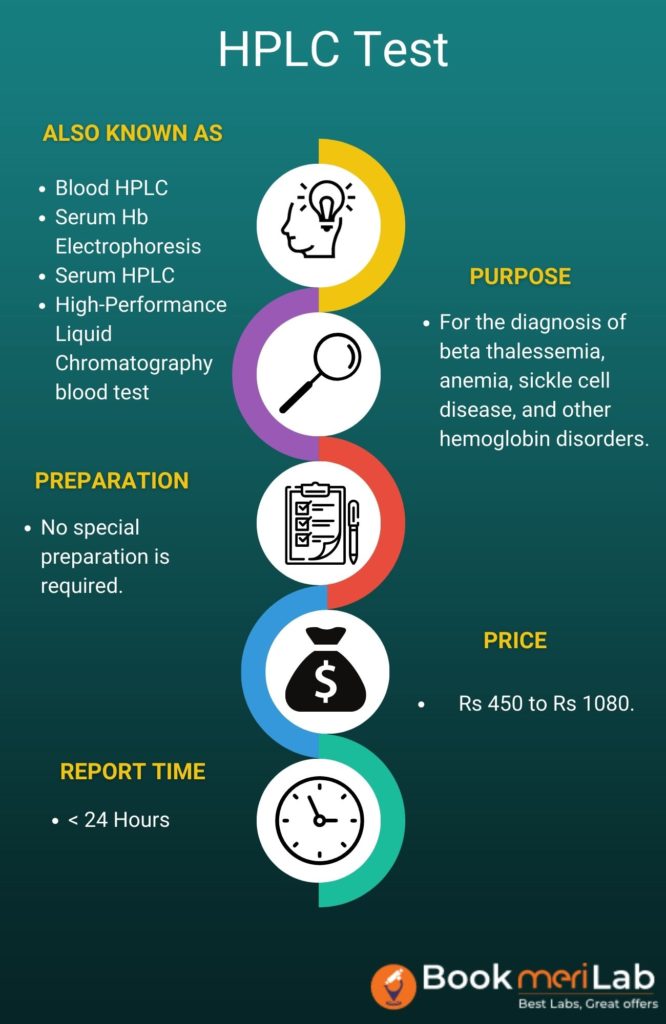
| Also Known As | Blood HPLC, Serum Hb Electrophoresis, Serum HPLC, High-Performance Liquid Chromatography blood test |
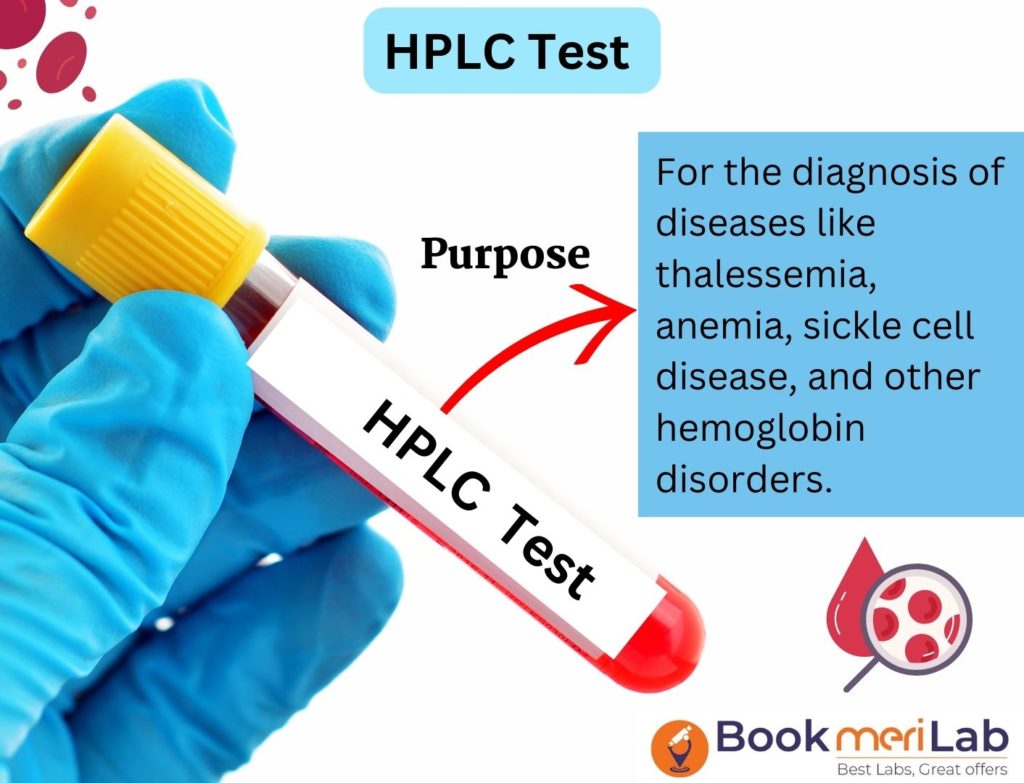
| Purpose | For the diagnosis of diseases like thalessemia, anemia, sickle cell disease, and other hemoglobin disorders |
| Preparation | No special preparation required. |
| Fasting | Yes |
| Reporting Time | 8 – 24 hours |
| Cost | Rs 450 – Rs 1080 |
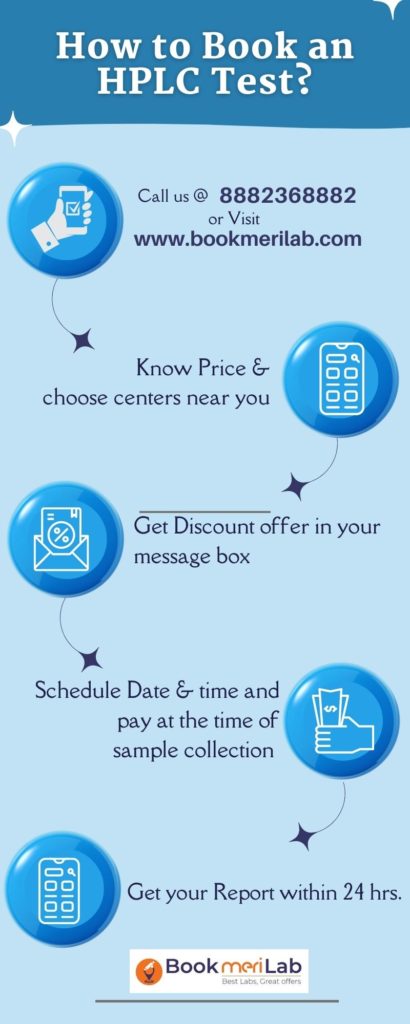
HPLC Test Price usually ranges from Rs 450 to Rs 1080. The actual price depends on the diagnostic center and the city. Bookmerilab partners with more than 200 diagnostic centers across India. We provide a 10-50% discount on medical diagnostic tests.
The table below lists the prices at some of the popular diagnostic centres.
| Name of Lab | Test Price |
|---|---|
| Redcliffe Labs | Rs 900 |
| City X-Ray | Rs 600 |
| Janta X-Ray | Rs 600 |
| Bharat X-Ray | Rs 600 |
| Prognosis Laboratories | Rs 496 |
| Dr Lal path labs | Rs 950 |
| Aarthi Scan | Rs 900 |
The test cost depends upon the one recommended by your healthcare professional. The cost varies depending on the lab and the city.
| City | Test Price |
|---|---|
| HPLC Test Price in Delhi | Rs 450 to Rs 900 |
| HPLC Test Price in Mumbai | Rs 950 to Rs 720 |
| HPLC Test Price in Bangalore | Rs 900 |
| HPLC Test Price in Hyderabad | Rs 450 to Rs 1078 |
| HPLC Test Price in Gurgaon | Rs 720 to Rs 900 |
| HPLC Test Price in Chennai | Rs 900 to Rs 950 |
| HPLC Test Price in Kolkata | Rs 540 to Rs 1080 |
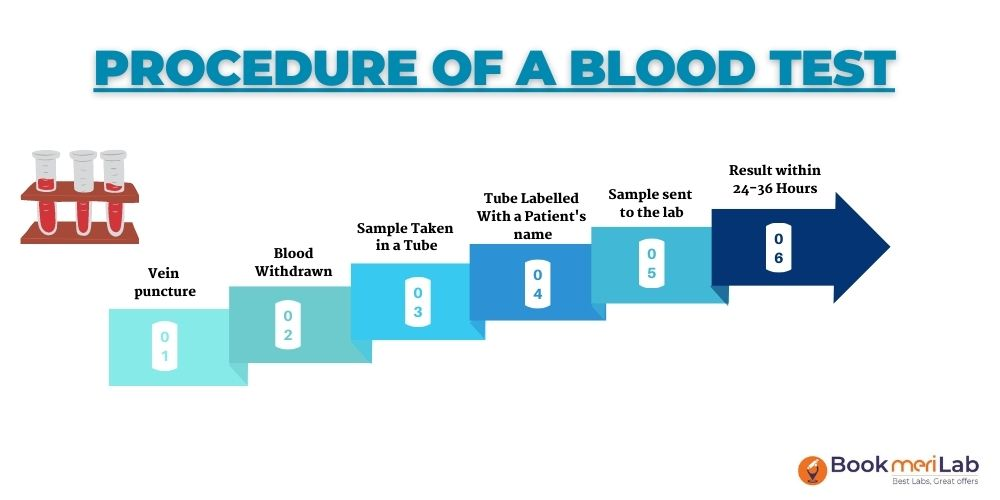
It is a fairly simple diagnostic blood test. Below are the steps to draw a blood sample from the vein in your arm or hand-
The entire procedure takes only a few minutes.
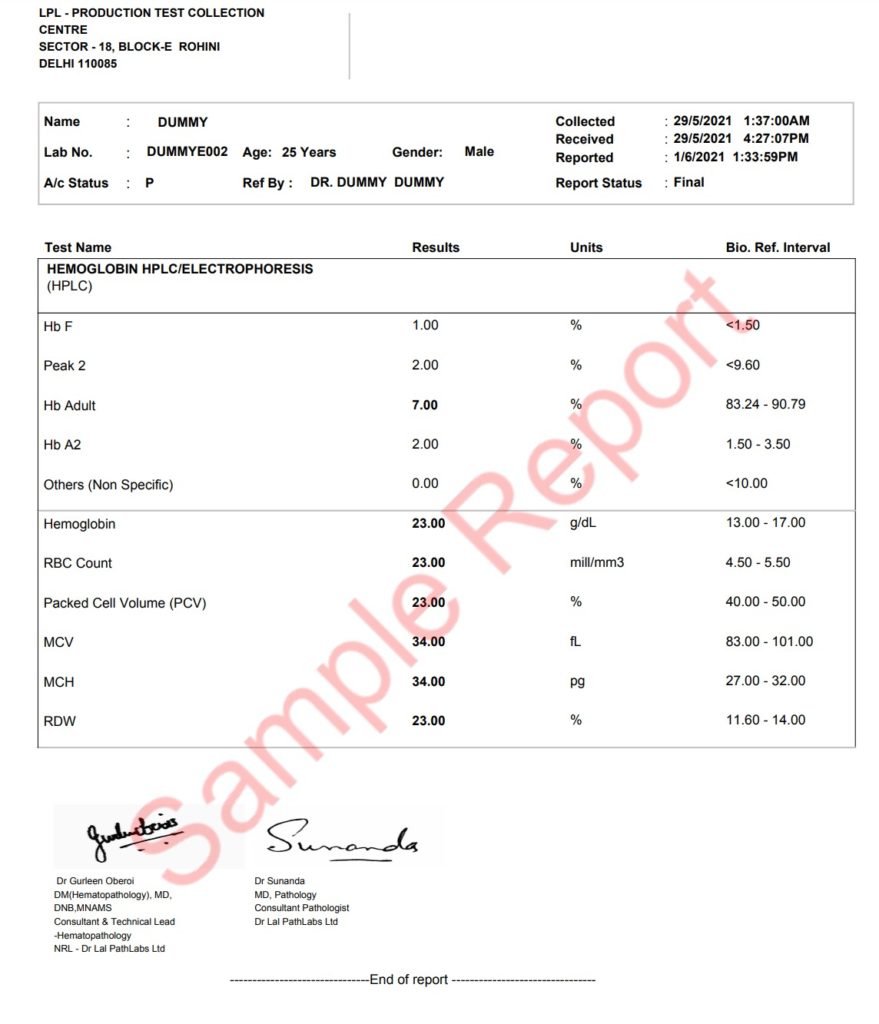
The red blood cells carry the haemoglobin protein, which is in charge of delivering oxygen to the body’s tissues and organs. Hemoglobin electrophoresis can help identify abnormal hemoglobin variants, such as those associated with sickle cell anemia or thalassemia. Medical professionals frequently use HPLC, which is a very accurate and precise approach, to detect and measure hemoglobin variations for hemoglobinopathy screening and diagnosis.
Several different kinds of haemoglobin are analyzed in this test, including:
Note: Both infants and growing foetuses contain haemoglobin F. After birth, haemoglobin A quickly substitutes for it. Both children and adults have haemoglobin A. Hemoglobin of this type is the most common kind. Rare kinds of defective haemoglobin that develop as a result of genetic abnormalities include haemoglobin C, D, E, M, and S.
It is a very simple and safe test. The risks involved are the same as that of any other blood test. These include-
Minor pain and bruising that might occur will resolve on their own in a very short time.
| Age | Hemoglobin F |
| Newborn | 60 to 80% |
| 1+ Year | 1 to 2% |
| Type | Percentage |
| Hemoglobin A | 95% – 98% |
| Hemoglobin A2 | 2% – 3% |
| Hemoglobin F | 1% – 2% |
In conclusion, a blood test via HPLC is a diagnostic method for determining the concentrations of different substances in a person’s blood, such as amino acids, vitamins, and hemoglobin types. In general, HPLC tests are risk-free, well-tolerated by patients, and there is little chance of complications. To guarantee that the test findings are accurate and dependable, it is crucial to follow to any preparatory instructions given by your healthcare practitioner.
The use of HPLC technology has significantly improved the accuracy and efficiency of blood testing, allowing for rapid and reliable detection of biomarkers and disease markers in clinical practice. Overall, HPLC tests are a vital part of contemporary healthcare and are crucial for the diagnosis and treatment of numerous illnesses.
A regular blood test typically measures the levels of specific substances in the blood, whereas an HPLC test uses high-performance liquid chromatography to separate and measure individual components of a sample, allowing for more precise and detailed analysis.
The time it takes to get HPLC test results can vary depending on the specific test being performed and the laboratory processing the sample. Generally, results are available within a few days to a week.
Depending on the specific test being performed, there may be some preparation required before an HPLC test. This may include fasting, stopping certain medications, or avoiding certain foods or beverages. Your healthcare provider will provide specific instructions.
HPLC tests can be used to diagnose or monitor a wide range of medical conditions, including diabetes, blood disorders like sickle cell anemia or thalassemia, and certain types of cancer.
Most people do not experience significant pain during an HPLC test. You may feel a slight pinch or discomfort when the needle is inserted, but this should be brief and mild.
A Discount Providing Platform on all Diagnostic Services at your nearest Labs. 100's of Certified Labs, Assured Quality & Great Discounts.
