FT4 blood test is a laboratory test that measures the levels of free thyroxine (FT4) in the blood. FT4 is a hormone produced by the thyroid gland and is essential for regulating metabolism in the body. The test is typically used to diagnose or monitor thyroid gland function and to evaluate symptoms of hyperthyroidism or hypothyroidism.
It may also be ordered as a part of routine health screening or to monitor the effectiveness of thyroid treatment. The test results are usually reported as a numerical value that reflects the concentration of FT4 in the blood, which can help healthcare providers to determine whether thyroid hormone levels are within the normal range. The price range of FT4 blood test is usually between Rs 158 to Rs 581.
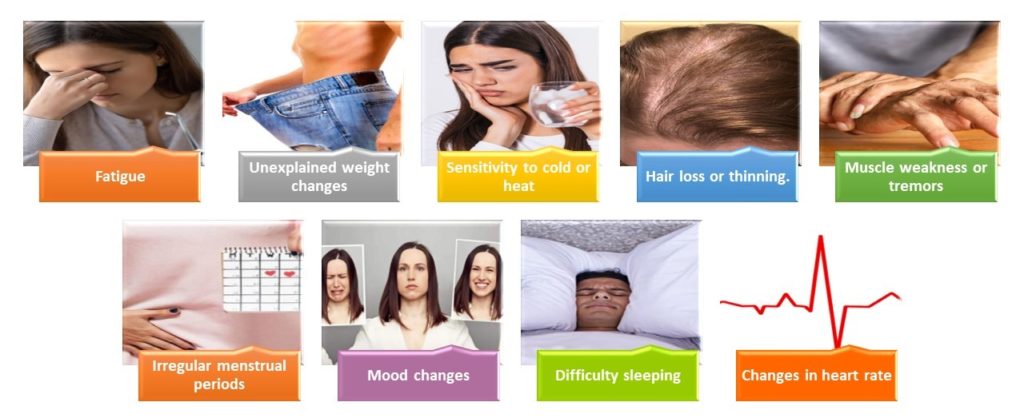
Your doctor may recommend a FT4 blood test due the following symptoms-
Fatigue-
Hypothyroidism can cause fatigue, weakness, and tiredness.
Unexplained weight changes-
Hypothyroidism can cause weight gain
Hyperthyroidism can cause weight loss.
Sensitivity to cold or heat-
Hypothyroidism can lower the body’s temperature, making the patient feel cold all the time, H
Hyperthyroidism can cause excessive sweating and heat intolerance.
Hair loss or thinning.
Muscle weakness or tremors-
Hyperthyroidism can cause muscle weakness and tremors
Hypothyroidism can cause muscle stiffness and cramps.
Irregular menstrual periods-
Hypothyroidism can cause heavy or irregular menstrual periods
Hyperthyroidism can cause light or missed periods.
Mood changes-
Hypothyroidism can cause depression and anxiety
Hyperthyroidism can cause irritability, nervousness, and mood swings.
Difficulty sleeping, insomnia, or excessive sleepiness.
Changes in heart rate-
Hyperthyroidism can cause a rapid or irregular heartbeat,
Hypothyroidism can cause a slow heartbeat.
TF4 Blood Test Details in Brief
Also Known As
Free thyroxine, Free T4, Total T4 concentration, T4 index, Thyroxine screen, Free T4 concentration, Thyroxine test by equilibrium dialysis
Purpose
To measure the level of the thyroid hormone thyroxine (T4) in the blood.
Preparation
No special preparation required.
Fasting
No
Reporting Time
8 to 24 Hrs.
Cost
Rs 158 to Rs 581
Price
FT4 Test Price usually ranges from Rs 158 to Rs 581. The actual price depends on the diagnostic center and the city. Bookmerilab partners with more than 200 diagnostic centers across India. We provide a 10-50% discount on medical diagnostic tests.
Prices at Popular diagnostic centres
The table below lists the prices at some of the popular diagnostic centres.
Name of Lab
Test Price
Redcliffe Labs
Rs 300
Janta X Ray Clinic
Rs 270
City X-Ray
Rs 188
Prognosis Laboratories
Rs 163
Bharat X Ray Clinic
Rs 163
Dr Lal path labs
Rs 370
Aarthi Scans
Rs 158
Cost in different cities
The test cost depends upon the one recommended by your healthcare professional. The cost varies depending on the lab and the city.
Assessing thyroid function: The TF4 blood test is used to measure the level of free thyroxine (FT4) in the blood, which is an indicator of thyroid function.
Monitoring thyroid treatment: If someone is receiving treatment for a thyroid disorder, the TF4 blood test can be used to monitor their response to medication. It can also help doctors determine the appropriate dose of thyroid medication.
Identifying non-thyroidal illnesses: Abnormalities in thyroid function can also be caused by non-thyroidal illnesses, such as chronic kidney disease or liver disease. The TF4 blood test can help identify these underlying conditions.
Screening for thyroid disorders: In some cases, the TF4 blood test may be used as part of routine screening for thyroid disorders, especially in individuals with a family history of thyroid disease.
Monitoring pregnancy: Thyroid function can also be affected during pregnancy, so the TF4 blood test may be used to monitor thyroid function in pregnant women.
Preparation
It’s crucial to let your doctor know about all of the medications you’re taking because many of them can affect your T4 levels, particularly total T4. To help ensure reliable test findings, you might need to temporarily cease taking some medications before the test.
Hormone-containing medications, such as birth control pills can have an impact on your T4 levels.
medications intended to influence your thyroid or treat thyroid disorders
steroids
certain cancer-fighting medications
If you think you could be pregnant, you should inform your doctor.
Procedure
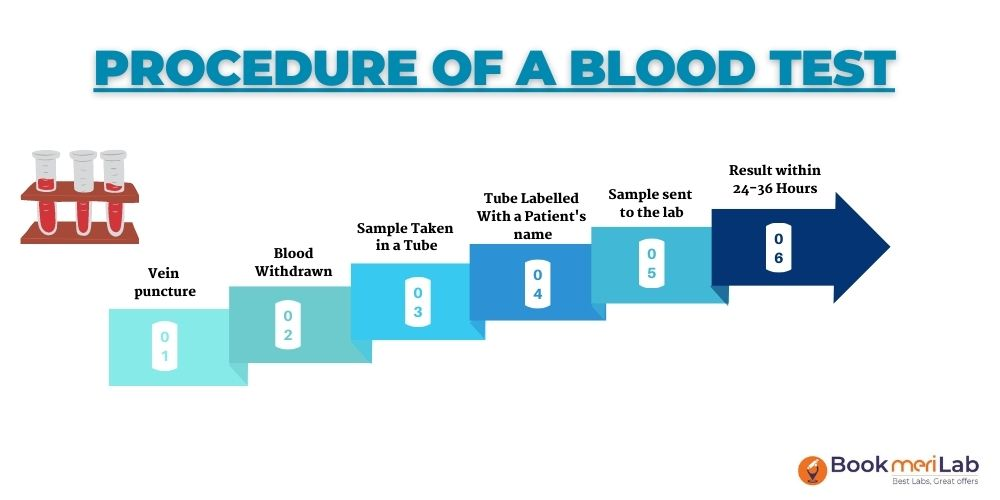
It is a fairly simple diagnostic blood test. Below are the steps to draw a blood sample from the vein in your arm or hand-
A technician (phlebotomist) may tie a tourniquet (elastic band) to your arm.
The phlebotomist will locate your blood vessel.
Then the site is cleaned with spirit.
A Needle is inserted into your vein to draw the blood.
The blood sample is then withdrawn into a syringe or a vial.
Cotton is placed on the puncture site with mild pressure till the bleeding stops.
A small band-aid is then placed, which may be removed after an hour.
The entire procedure takes only a few minutes.
Risk
It is a very simple and safe test. The risks involved are the same as that of any other blood test. These include-
Infection at the puncture site if proper sterilization protocol is not followed and the needle is contaminated. This is, however, very rare. You may ensure that your phlebotomist takes out the needle in front of you from a sterile pack.
Multiple pricks if the blood vessel is not easily found
Excessive bleeding at the puncture site- Please inform your healthcare provider if you are taking any blood thinners or have any bleeding disorders.
Light-headedness due to stress or heavy bleeding.
Minor pain and bruising that might occur will resolve on their own in a very short time
Result
FT4 levels are within the normal range: This means that the level of free thyroxine in the blood is considered to be normal and indicates that the thyroid gland is functioning properly.
FT4 levels are low: This may indicate an underactive thyroid gland (hypothyroidism), which can cause symptoms such as fatigue, weight gain, and cold intolerance.
FT4 levels are high: This may indicate an overactive thyroid gland (hyperthyroidism), which can cause symptoms such as weight loss, anxiety, and tremors.
The result is inconclusive: In some cases, the FT4 level may fall in a gray zone that requires further testing or monitoring to determine if there is a thyroid issue.
Limitations
The FT4 test primarily measures the level of free thyroxine in the blood, but some thyroid disorders may not affect this hormone specifically. For example, if the problem is with the thyroid gland’s ability to produce hormones, the FT4 level may be normal despite an underlying thyroid issue.
Certain medications, supplements, and medical conditions can interfere with the accuracy of the FT4 test.
Different labs may use different methods or reference ranges to measure FT4 levels, which can lead to variations in results.
In some cases, further testing (such as measuring other thyroid hormones or performing imaging studies) may be necessary to confirm a diagnosis or rule out other potential causes of symptoms.
Conclusion
In conclusion, a free T4 blood test is a useful tool for diagnosing and monitoring thyroid conditions, including hypothyroidism and hyperthyroidism. It measures the level of active thyroxine hormone in the blood and can help determine whether the thyroid gland is functioning properly.
While a free T4 test is more accurate than a total T4 test, it is often used in conjunction with other thyroid tests to provide a comprehensive picture of thyroid health. Understanding the results of a free T4 test requires the expertise of a healthcare provider who can interpret the results in the context of an individual’s overall health and medical history.
FAQs
1. What is a Free T4 blood test?
A Free T4 blood test measures the level of free thyroxine in the blood, which is an important hormone produced by the thyroid gland.
2. What does a high Free T4 level indicate?
A high Free T4 level may indicate an overactive thyroid gland (hyperthyroidism), which can cause symptoms such as weight loss, tremors, and anxiety.
3. What does a low Free T4 level indicate?
A low Free T4 level may indicate an underactive thyroid gland (hypothyroidism), which can cause symptoms such as fatigue, weight gain, and cold intolerance.
4. How is a Free T4 blood test performed?
A Free T4 blood test is a simple blood draw, usually from a vein in the arm.
5. Is any preparation required for a Free T4 blood test?
Depending on the healthcare provider’s instructions, preparation may include fasting for a certain amount of time before the test or avoiding certain medications that can affect the results.
6. Are there any risks associated with a Free T4 blood test?
A Free T4 blood test is a safe and low-risk procedure, although some people may experience minor bruising or bleeding at the site of the blood draw.
7. How are the results of a Free T4 blood test interpreted?
The results of a Free T4 blood test are interpreted based on the reference range provided by the laboratory, which compares the patient’s Free T4 level to the normal range. A healthcare provider will interpret the results in the context of the patient’s clinical symptoms and may order additional tests to confirm or rule out a diagnosis.