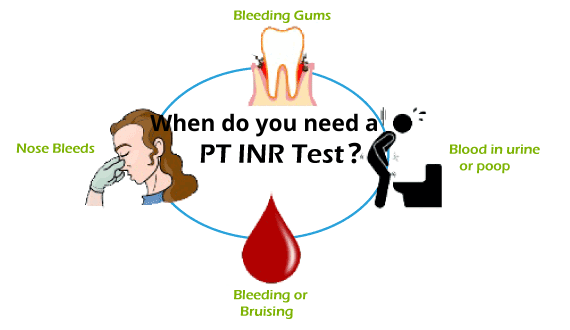
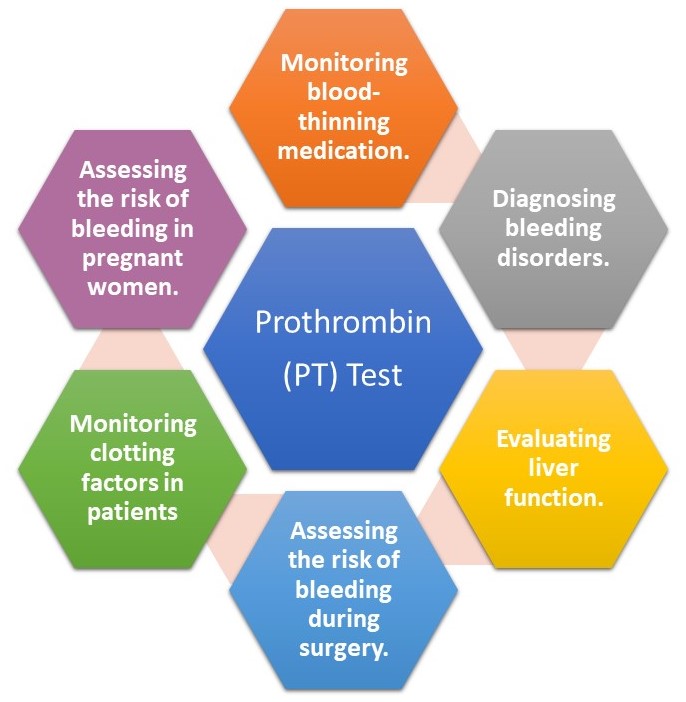
The PT (prothrombin time) or PT-INR Test is a blood test that measures the time it takes for blood to clot. Prothrombin is a clotting factor made in the liver. Doctors frequently use this to detect bleeding disorders and monitor the effectiveness of blood-thinning medications. It measures the level of activity of specific clotting-related proteins in the blood.
The standard method of reporting the results of the PT test is by using the international normalized ratio (INR). An INR (international normalized ratio) is a type of calculation based on PT test results. It compares the patient’s clotting time to that of an average, healthy person. Whereas a low INR suggests a quicker clotting time, a high INR predicts a longer clotting time. The price range of the PT test varies from Rs. 210 to Rs. 390 and in-home sample collection is also available.
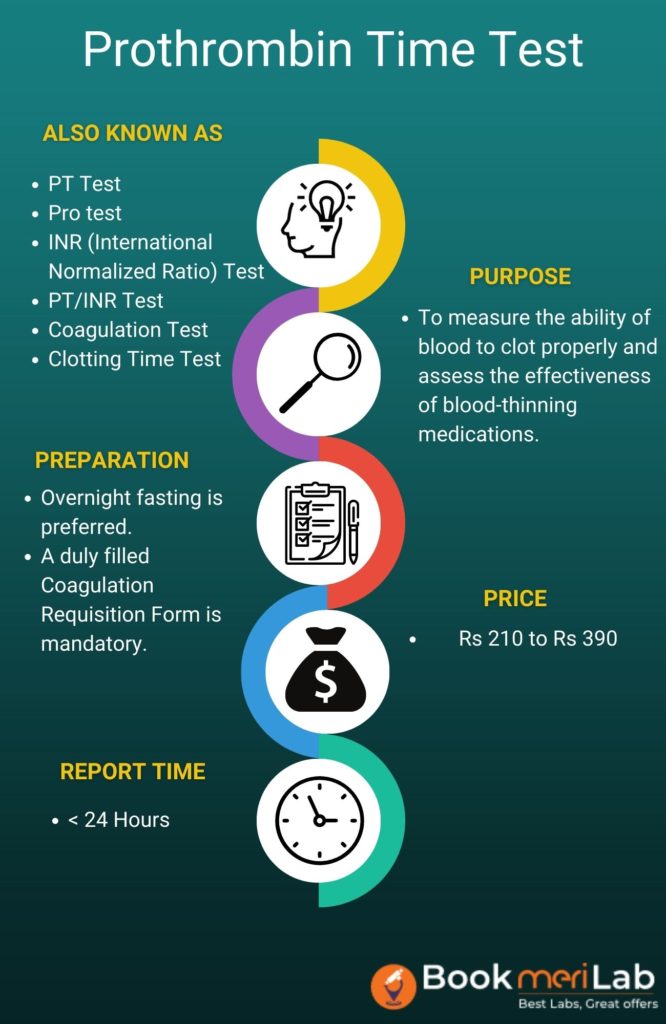
| Also Known As | PT Test, PT INR Test, Pro test, INR (International Normalized Ratio) Test, Coagulation Test, Clotting Time Test |
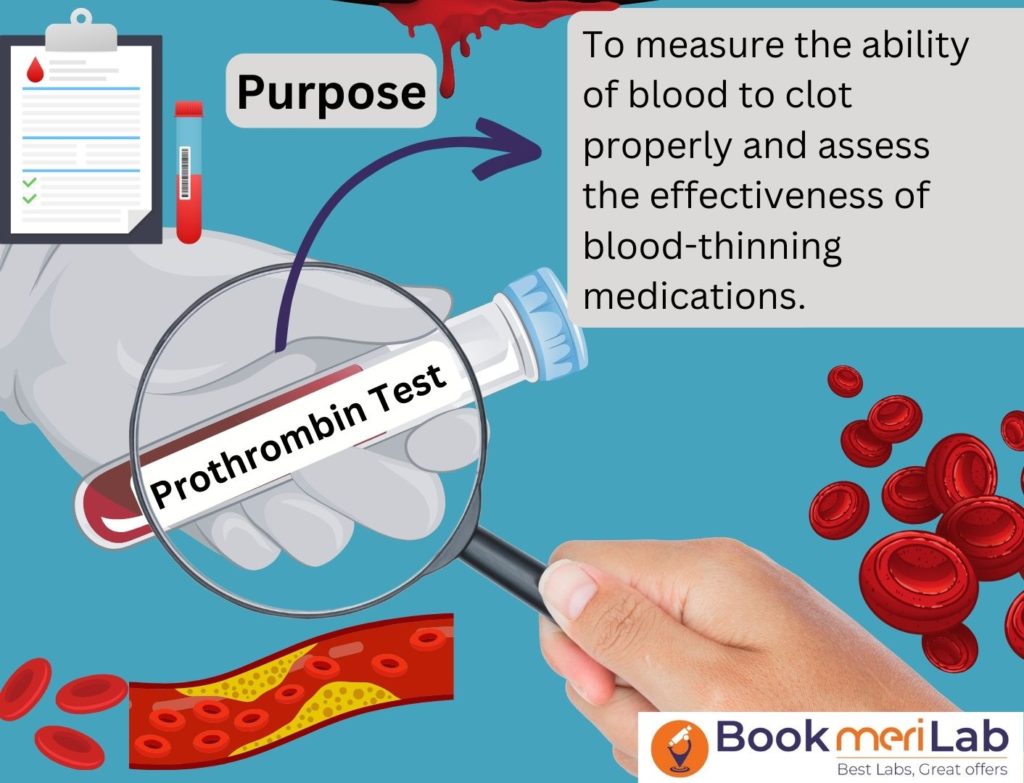
| Purpose | To measure the ability of blood to clot properly and assess the effectiveness of blood-thinning medications. |
| Preparation | No special preparation is required. |
| Fasting | Overnight fasting is preferred. A duly filled Coagulation Requisition Form is mandatory |
| Reporting Time | <24 hours |
| Cost | Rs. 210 to Rs. 390 |
PT Test Price usually ranges from Rs 210 to Rs 390 on average. The actual price depends on the diagnostic centre and the city. Bookmerilab partners with more than 506 diagnostic centres across India. We provide a 10-50% discount on medical diagnostic tests.
The table below lists the prices at some of the popular diagnostic centres.
| Name of Lab | Test Price |
|---|---|
| Redcliffe Labs | Rs 245 |
| Aarthi Scan | Rs 270 |
| City X-Ray | Rs 300 |
| Janta X-Ray | Rs 270 |
| Bharat X-Ray | Rs 228 |
| Dr Lal path labs | Rs 330 – Rs 390 |
| Prognosis Laboratories | Rs 210 |
| Vijaya Diagnostics | Rs 300 |
PT Test costs may vary depending on the city. The table below lists the city-wise prices. you can click on the city name link to get diagnostic centres list with their price and discount.
| City | Test Price |
|---|---|
| PT Test Price in Delhi | Rs 210 to Rs 333 |
| PT Test Price in Mumbai | Rs152 to Rs 390 |
| PT Test Price in Bangalore | Rs 245 to Rs 270 |
| PT Test Price in Hyderabad | Rs 162 to Rs 288 |
| PT Test Price in Gurgaon | Rs 245 to Rs 465 |
| PT Test Price in Chennai | Rs 245 to Rs 350 |
| PT Test Price in Kolkata | Rs 245 to Rs 360 |
| PT INR test cost in Pune | Rs 252 to Rs 330 |
| PT INR test cost in Chandigarh | Rs 245 to Rs 315 |
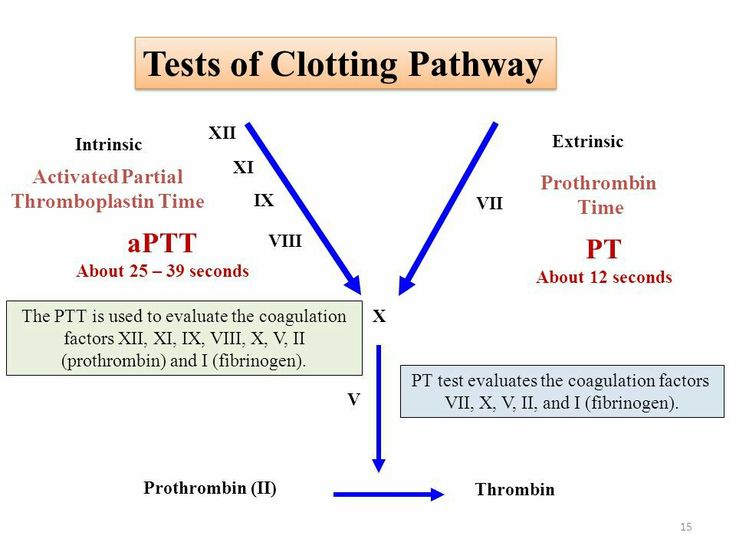
| Criteria | Partial Thromboplastin Time (PTT) | Prothrombin Time (PT) |
|---|---|---|
| Measures | The clotting ability of the intrinsic pathway of the coagulation cascade | The clotting ability of the extrinsic pathway of the coagulation cascade |
| Normal range | 25-35 seconds | 11-13.5 seconds |
| Measures | The time taken for fibrin clot formation | The time taken for fibrinogen to be converted to fibrin |
| Used to monitor | Heparin therapy and other clotting factor deficiencies | Warfarin therapy and other clotting factor deficiencies |
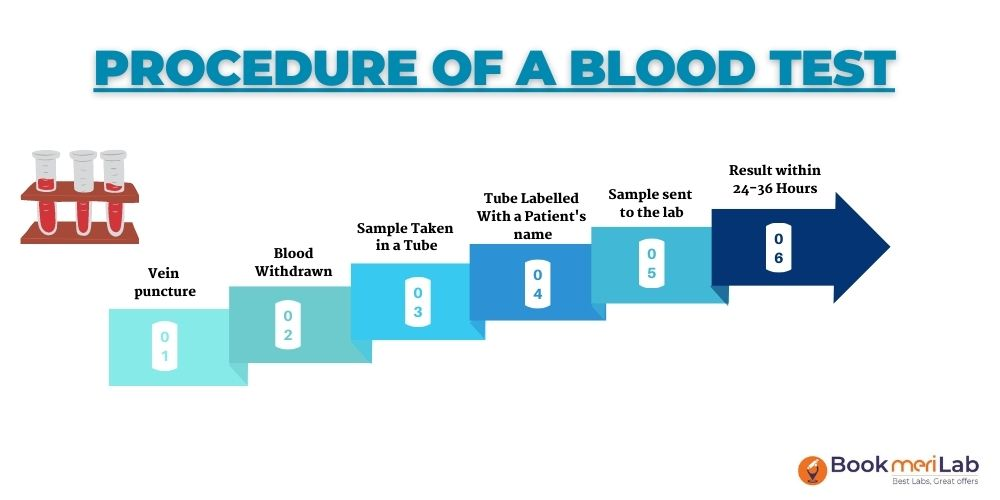
It is a fairly simple diagnostic blood test. Below are the steps to draw a blood sample from the vein in your arm or hand-
The entire procedure takes only a few minutes.
It is a very simple and safe test. The risks involved are the same as that of any other blood test. These include-
Minor pain and bruising that might occur will resolve on their own in a very short time.
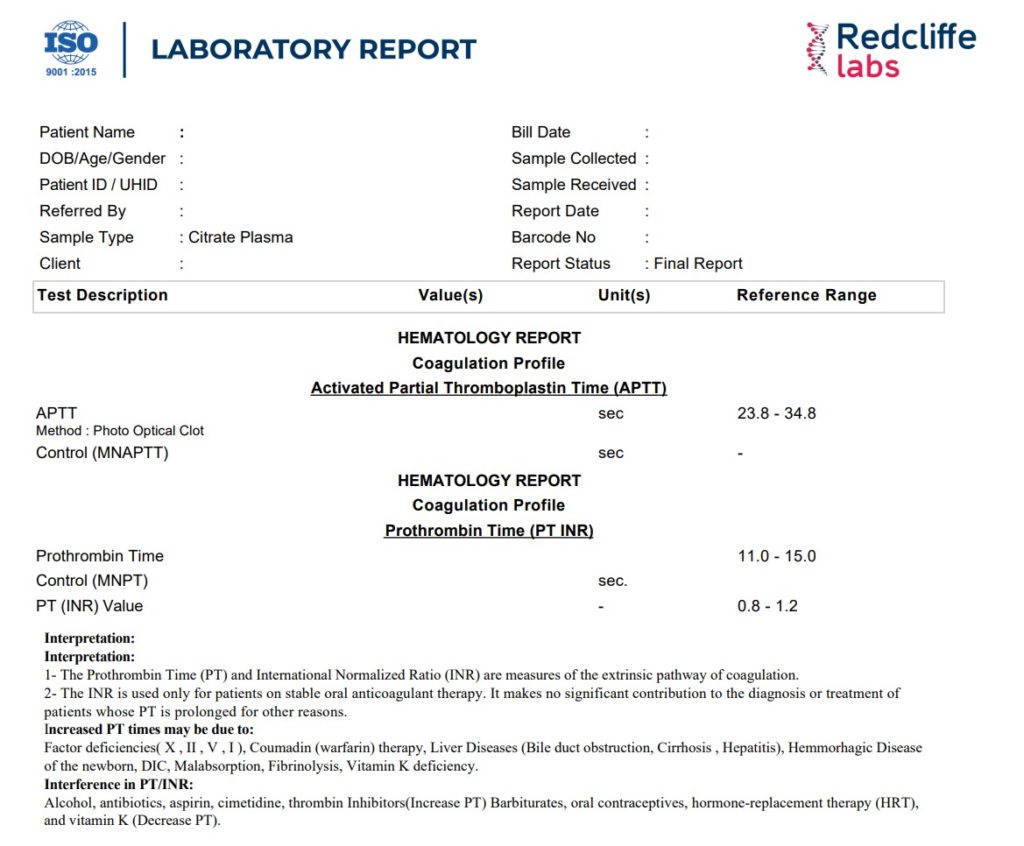
The Prothrombin Time (PT) test results are typically presented as an International Normalised Ratio (INR).
The WHO gives the standard calculation formula for finding INR. It is calculated as a ratio of the patient’s Prothrombin to a control Prothrombin standardised for the test.
INR = Patient PT ÷ Control PT.
Normal Range: INR is typically around 0.8 to 1.1., while the normal range for PT is between 11 and 13.5 seconds.
High INR: A high INR means that the blood is clotting more slowly than is typical, which may signal a danger of bleeding and can occur in the following situations-
Low INR: The blood is clotting too quickly when the INR is low, which may signal a blood clot risk. A lack of clotting factors is usually responsible and may be seen in the following conditions-
An irregular range: It could be a sign of a medical problem such as a bleeding disorder. Your healthcare professional will interpret the test results in conjunction with other clinical data to determine the underlying reason and, if appropriate, devise a treatment strategy.
| PT/INR | PT Range (in seconds) | Interpretation |
|---|---|---|
| 0.8 to 1.1 | 11 to 13.5 | Normal |
| >1.1 | >13.5 | High Risk of bleeding (Slow blood clotting) |
| <0.8 | <11 | Low Risk of Bleeding (Higher risk of clot formation) |
The changes in the Prothrombin level in pregnant women are depicted in the following table.
| Units | Non-pregnant adult | First trimester | second trimester | third trimester |
|---|---|---|---|---|
| Prothrombin plasma time (in seconds) | 12.7 to 15.4 | 9.7 to 13.5 | 9.5 to 13.4 | 9.6 to 12.9 |
In conclusion, healthcare providers can use the Prothrombin Time (PT) test as a crucial diagnostic tool to detect bleeding disorders, assess liver health, and monitor the effectiveness of blood-thinning medications. Although it is a simple and low-risk procedure, the test can yield important information that can inform treatment choices and enhance patient outcomes.
Patients may feel more knowledgeable and in control of their healthcare decisions if they are aware of the PT test’s purpose, requirements, and potential risks. If your healthcare practitioner advises you to do a PT test, make sure to follow any pre-test instructions carefully and discuss any concerns you may have with them.
It is a blood test that measures how long it takes for blood to clot in response to certain chemicals.
To assess the ability of the blood to clot, monitor the effectiveness of the blood-thinning medication, and diagnose bleeding disorders.
A healthcare provider will collect a blood sample from a vein in the arm and send it to a laboratory for analysis.
Bleeding, infection, or bruising at the site where the needle is inserted, as well as a small risk of excessive bleeding or hematoma formation.
Certain medications, such as blood-thinning medication, and medical conditions that affect clotting ability, such as liver disease.
The results are reported as an International Normalised Ratio (INR), which can indicate the risk of bleeding or blood clots.
The healthcare provider will interpret the test results in conjunction with other clinical information to determine the underlying cause of any abnormalities and develop an appropriate treatment plan if necessary.

Dr Garima Saroj is a dentist from Manipal college of dental sciences. She has previously worked at ESIC dental college and hospital Delhi and Dentecare multispecialty dental clinic Gurugram. She has a passion for writing for patient education and awareness.
A Discount Providing Platform on all Diagnostic Services at your nearest Labs. 100's of Certified Labs, Assured Quality & Great Discounts.